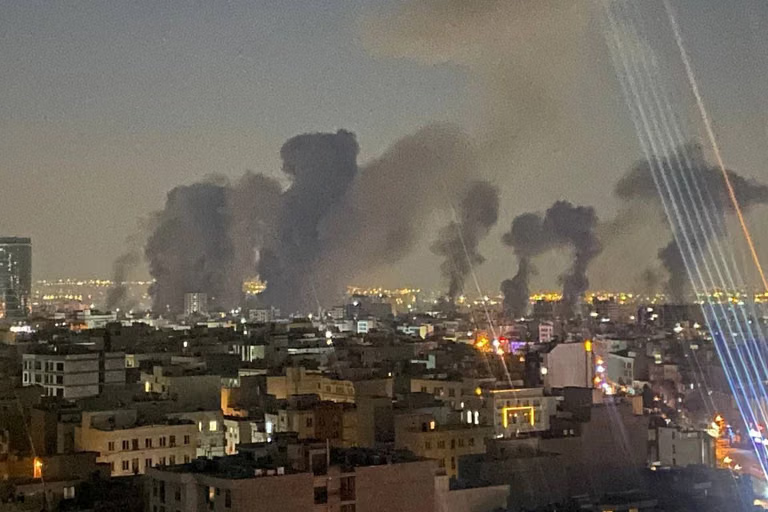
Tehran- Escalating war rhetoric from Iran, the United States and Israel, alongside military movements across the Middle East, has heightened fears of another conflict. Iranians are increasingly debating online whether another war could bring political change or plunge the country into an even deeper crisis.
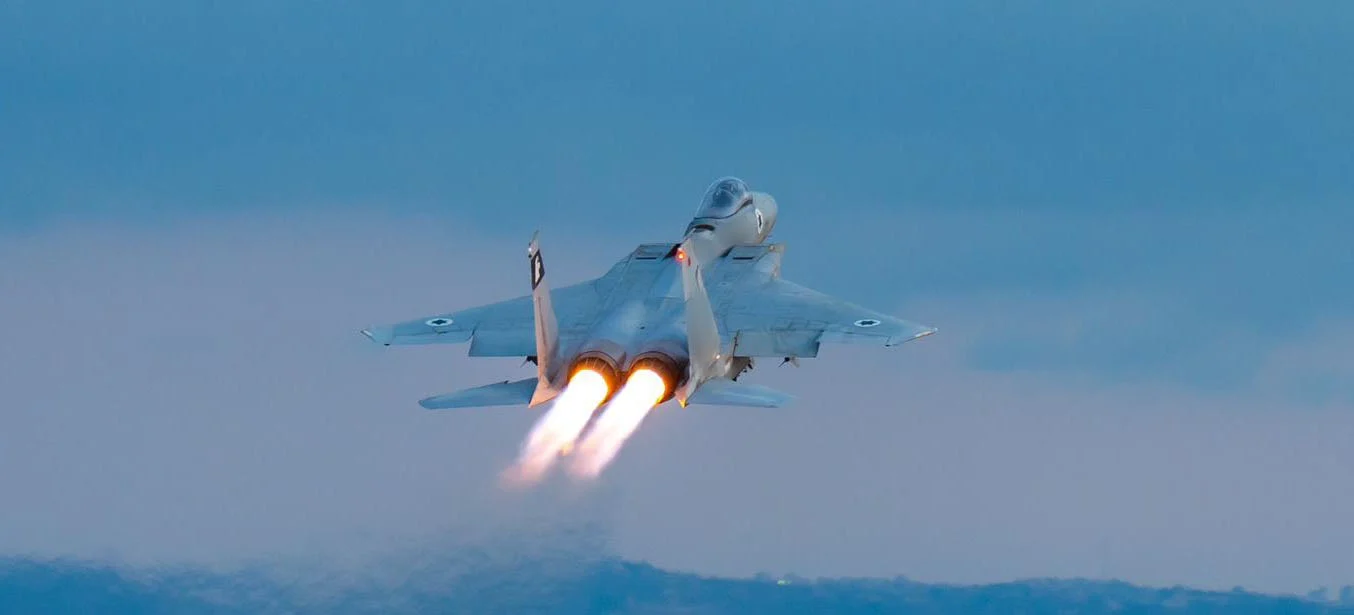
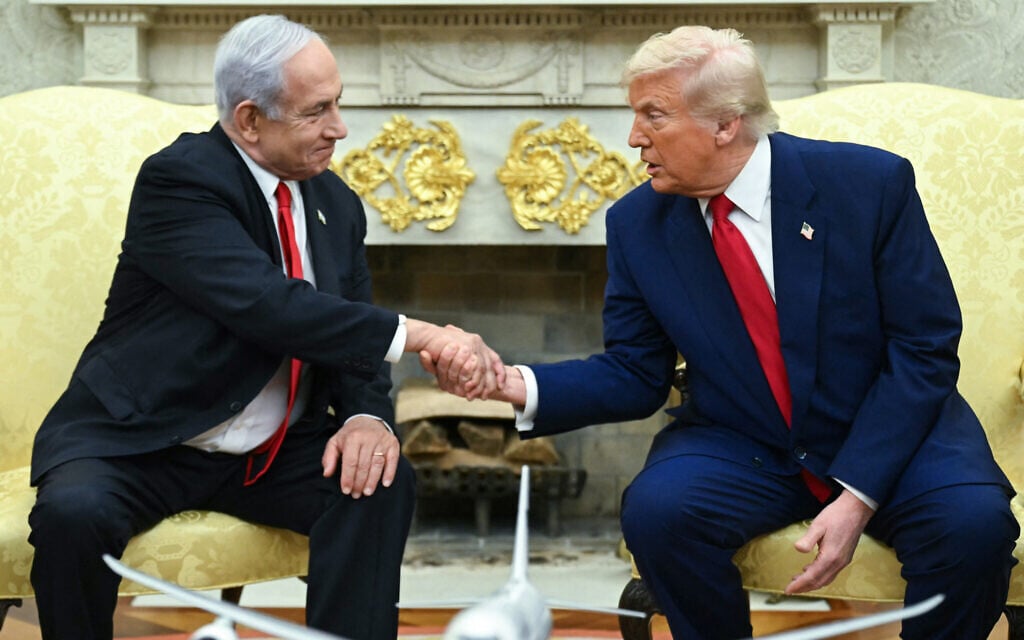
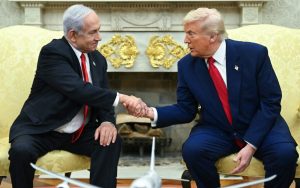
Iranian social media users are closely monitoring statements by US President Donald Trump and Israeli Prime Minister Benjamin Netanyahu, as well as diplomatic and military developments across the region. Many interpret these developments as possible signs of an impending US-Israeli attack.
At the heart of the debate is whether another war could bring down the Islamic Republic or simply inflict further damage on Iran.
Supporters of military action describe war as a necessary evil to end the current political system, arguing that previous attempts to bring about change have failed. Opponents, however, warn that another conflict could destroy energy infrastructure and oil refineries, worsen economic hardship and leave Iranian society in an even more vulnerable position.
“We are inside Iran and face all kinds of financial, security and social problems, but we are willing to pay the price to end this nightmare,” one social media user wrote.
Another user described the uncertainty as even more unbearable than war itself.
“This uncertainty is really a thousand times worse than war. We cannot even plan a trip, let alone make decisions about work, education or running a business,” the user wrote.
Others strongly rejected this view, warning that war could bring widespread destruction and unpredictable consequences.
“War brings destruction, chaos, disease and so many other problems,” one user wrote. “The outcome will not necessarily be what you imagine. It could be much worse than things are now.”
Another user highlighted the vulnerability of people without secure salaries, who could lose their livelihoods if fighting disrupted economic activity.
One social media user summarised the conflicting attitudes they had encountered in Iran.
“I have seen many people in Iran waiting for an attack so that things can finally be settled, while others want an agreement to be reached,” the user wrote. “Feelings differ, but everyone is tired of this situation.”
As fears of another conflict grow, some people are urging others to stock up on water, food and medicine and keep cash on hand. Others have advised residents living near military or government facilities to consider moving to safer locations.
Concerns have also been raised about the safety of elderly people, those with illnesses and people living alone.
Hardliners Push for Military Confrontation
Ultra-hardline voices in Iran have also expressed support for military confrontation, although their motivations differ sharply from those of anti-government citizens.
They argue that negotiations with Washington have merely given Iran’s adversaries time to regroup and prepare for a stronger attack. Some have criticised officials who pursued diplomacy and called for Iran to launch a pre-emptive strike if war appears imminent.
“Why shouldn’t Iran start the war this time instead of always waiting to be caught off guard?” one user wrote.
Another argued that Iran did not need nuclear weapons to inflict serious damage on its adversaries.
“We don’t even need an atomic bomb to retaliate,” the user wrote, advocating strikes on nuclear power plants in Israel and the United Arab Emirates.
These calls for confrontation reflect a political outlook very different from that of anti-government users who hope foreign military intervention could bring down the Islamic Republic.
However, comments from people on opposing sides of Iran’s political divide illustrate how repeated rounds of fighting and unsuccessful diplomatic efforts have intensified frustration with the current uncertainty.
Parents Fear for Their Children’s Safety
Parents’ concerns about their children’s safety have intensified following the deaths of more than 100 schoolchildren in a US attack on Minab at the beginning of the recent war.
Some are urging families to keep children at home if the risk of another attack increases. Others are discussing plans to collect their children from school and move them to safer locations as quickly as possible if fighting resumes.
An Instagram post featuring a firefighter has attracted particular attention. The firefighter said that while inspecting safety arrangements at a girls’ high school, a school official told them that instructions had been issued to prepare identification tags for students.
However, an Education Ministry spokesperson denied on Friday that such measures were being implemented and accused “enemies or ignorant individuals” of spreading fear.
One social media user said they had contacted relatives in Tehran and concluded that the reports were accurate. The user claimed that families they contacted had requested identification tags and were waiting for them to be delivered.
Fear of Another Internet Blackout
The prospect of another shutdown of international internet access is adding to public anxiety.
Users fear that authorities could cut international connectivity immediately if hostilities resume. The possibility is particularly troubling because previous shutdowns made it difficult to contact relatives and access reliable information.
One user recalled that during the war in June last year, internet access was cut several days after fighting began. When war broke out again at the end of February, the shutdown came within hours.
“Now, instead of checking the news in the morning, I open Google’s website to see whether it loads,” the user wrote, “so I can find out whether the war has started.”
A Nation Caught Between Hope and Fear
The debate among Iranians highlights the deep divisions and anxiety surrounding the prospect of another war. For some, military intervention represents a possible route to political change; for others, it threatens further destruction, economic hardship and civilian suffering.
Despite their differences, many Iranians appear exhausted by prolonged uncertainty and repeated conflict. Whether they favour confrontation or diplomacy, their concerns reflect a shared desire for a more predictable future and an end to the instability affecting their daily lives.