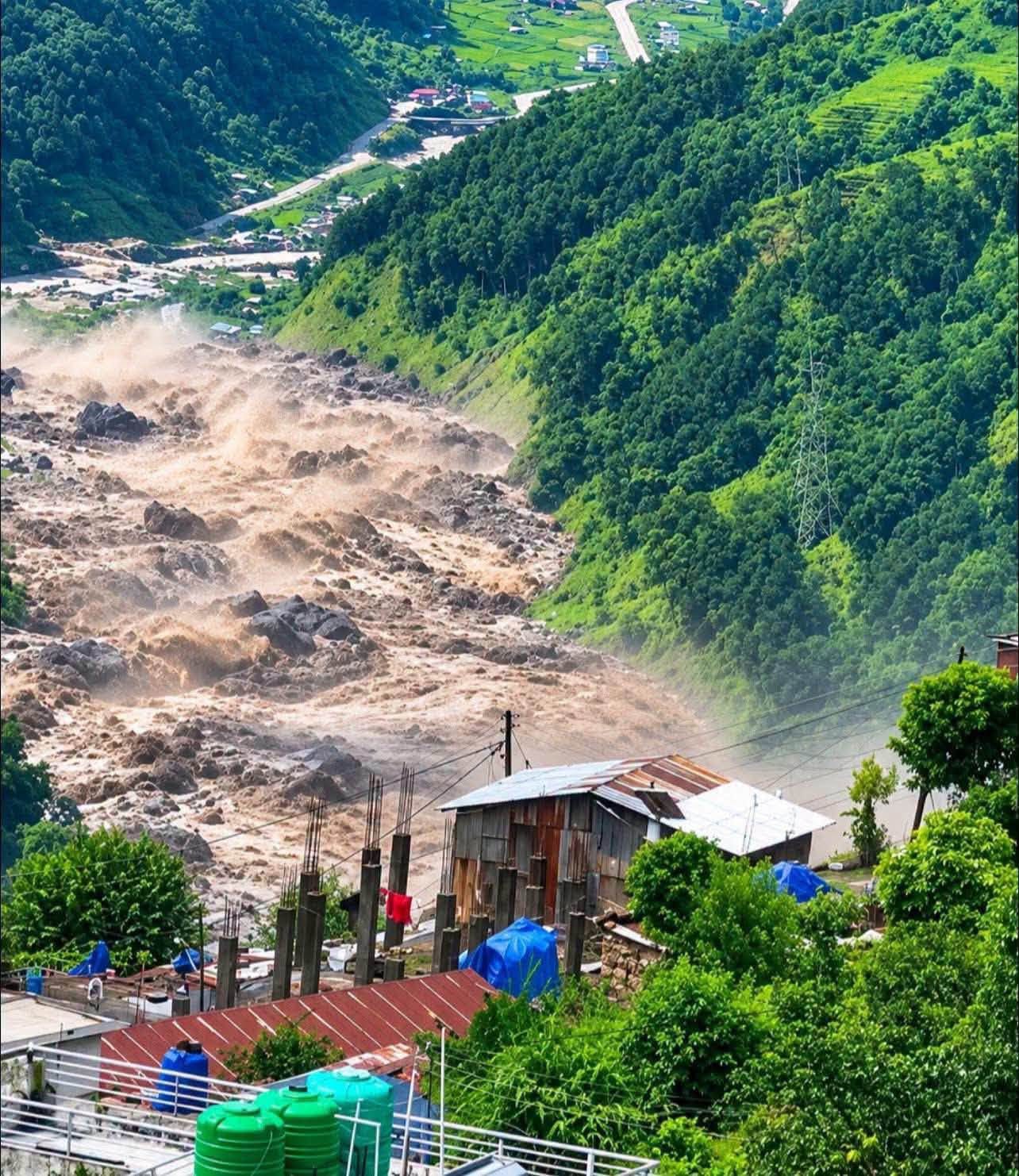
Kathmandu, 17 Sep: The government has begun a detailed assessment of the damage caused to the tourism sector along the Bhotekoshi–Trishuli corridor.
According to the Ministry of Culture, Tourism and Civil Aviation, a separate detailed study of the damage to the tourism sector is currently underway. The process includes assessing the losses with the participation of stakeholders and preparing a recovery plan.
Ministry Joint Secretary and Spokesperson Jay Narayan Acharya said work is currently focused on two major areas.
The Tourism Ministry is assessing the overall damage to the tourism sector, including losses to tourist attractions, infrastructure and human resources. Based on the assessment, the government will prepare recovery programs and support packages.
Meanwhile, the Nepal Tourism Board, in cooperation with the private sector, is assessing the damage suffered by private tourism businesses. The devastating floods caused extensive and multifaceted damage to the tourism sector, and efforts are now underway to establish the exact scale of the losses.
Nepal has a history of recovering its tourism industry within a relatively short period after natural disasters. The government is therefore under pressure to launch an equally effective recovery campaign following the latest disaster.
A Rapid Response Team (QRT) has been formed under the coordination of Nepal Tourism Board member Sahadev Dhamala. At a meeting held last week with the team and other stakeholders, decisions were taken to initiate measures ranging from collecting detailed damage data to operating alternative roads and border points to support tourism recovery following the Bhotekoshi floods.
The meeting decided to collect data on the damage caused to the tourism sector by floods in the Bhotekoshi and Trishuli rivers and to move ahead with recovery programs. The initiatives include collecting data, identifying alternative roads and trekking routes, and providing information to the international community.
The meeting also decided to modify the damage-assessment form currently being used by the Nepal government as necessary and use it to collect details of losses suffered by hotels, restaurants and other tourism service providers in the affected districts. The form has been made available online for data collection.
The Tourism Ministry, Department of Tourism and Nepal Tourism Board will coordinate to prepare a “Tourism Recovery Cycle” aimed at restoring tourism activities in the affected areas.
The meeting also decided to request the Nepal government to undertake diplomatic initiatives to open an alternative border crossing between Nepal and China for Kailash–Mansarovar pilgrims. Stakeholders expect this to help minimize the potential impact of the disaster on the Kailash–Mansarovar pilgrimage season.
The stakeholders also decided to request the government to construct Bailey bridges at necessary locations so that trekking routes in the Langtang region can resume during the current season.
A decision was also made to prepare a map of an alternative road route to Dhunche in Rasuwa. To provide tourists with regular and reliable information about road conditions, the Tourism Board will obtain updates on road operations from the traffic police and tourist police and publish them through its social media platforms.
The meeting also emphasized the need to effectively communicate that tourist destinations and tourism services outside the flood-affected areas remain safe and operational. It was agreed that accurate and regularly updated information would be given priority.
To provide the international community with accurate information about the situation of Nepal’s tourism sector, the stakeholders decided to coordinate with international tourism organizations, including the United Nations World Tourism Organization and PATA, and initiate dialogue with representatives of international media outlets based in Nepal.
Representatives attending the meeting included Hotel Association Nepal (HAN) President Binayak Shah, Trekking Agencies’ Association of Nepal (TAAN) President Sagar Pandey, Nepal Association of Tour and Travel Agents (NATTA) President Bharat Jung Pandey, representatives of the Nepal Mountaineering Association, Hotel Business Federation, Restaurant and Bar Association of Nepal (REBAN), Himalayan Rescue Association, Nepal Association of Rafting Agents (NARA), Expedition Association of Nepal, Nepal Tourism Transport Entrepreneurs Association, Nepal Tourist Vehicle Association, Kailash Operators Association, Tourist Guide Association of Nepal (TURGAN), Nepal Association of Tour Operators (NATO) and Society of Travel and Tour Operators (SOTTO).
According to Joint Secretary Acharya, tourism recovery cannot be the responsibility of the government alone. The ministry will therefore focus on creating the necessary infrastructure and enabling environment, while the Nepal Tourism Board and the private sector will take the lead in the recovery effort.
As Acharya noted, the private sector has suffered the greatest physical losses from the floods.
What Is the Scale of the Damage to Tourism?
According to the Department of Tourism, 607 tourists from 37 countries remain missing following the floods of September 10. The largest number are Indian nationals, with 189 reported missing.
The missing tourists also include 65 from the United States, 54 from Ukraine, 37 from China, 33 from Australia, 32 from the United Kingdom and 30 from Canada. The department is still working to determine the detailed extent of human losses among tourism entrepreneurs and workers.
Tourism Minister Khadgaraj Poudel told a parliamentary committee that the preliminary estimate of damage to the tourism sector alone exceeds Rs 50 billion.
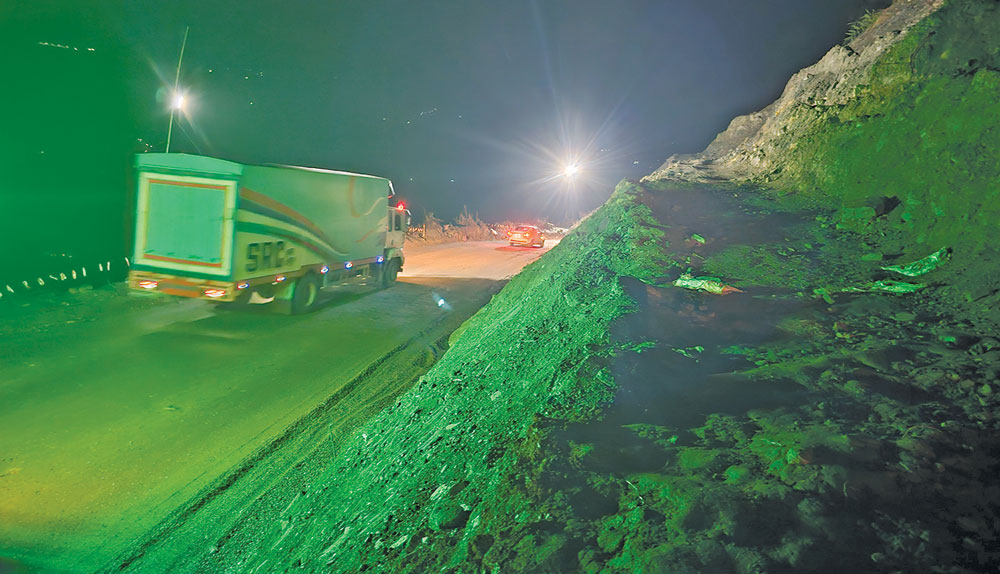
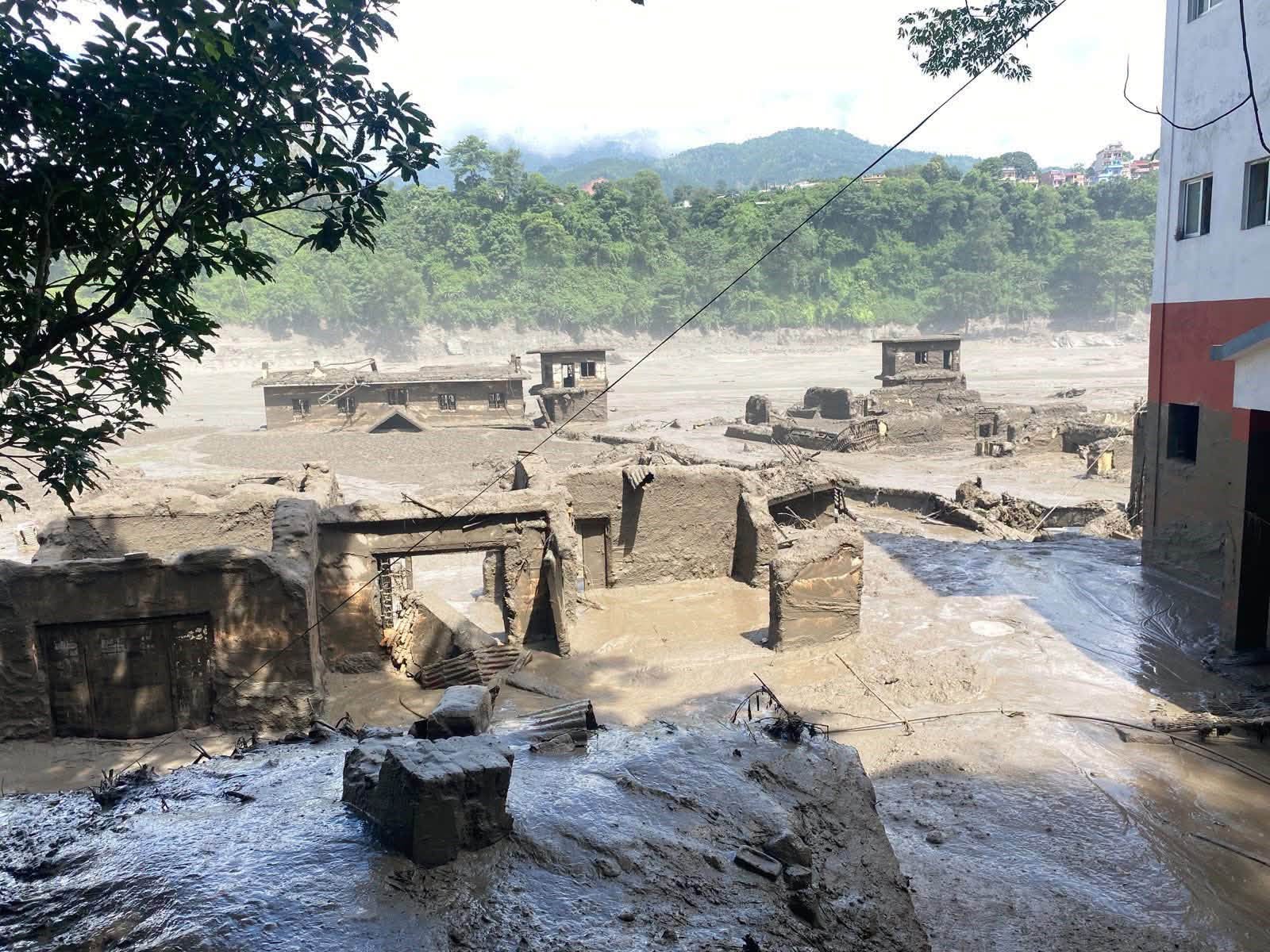
According to Poudel, the floods washed away 142 hotels and damaged 57 restaurants and 141 vehicles. Trekking routes leading to Langtang, Gosainkunda, Parvatikunda, Nathali and other destinations have also been damaged.
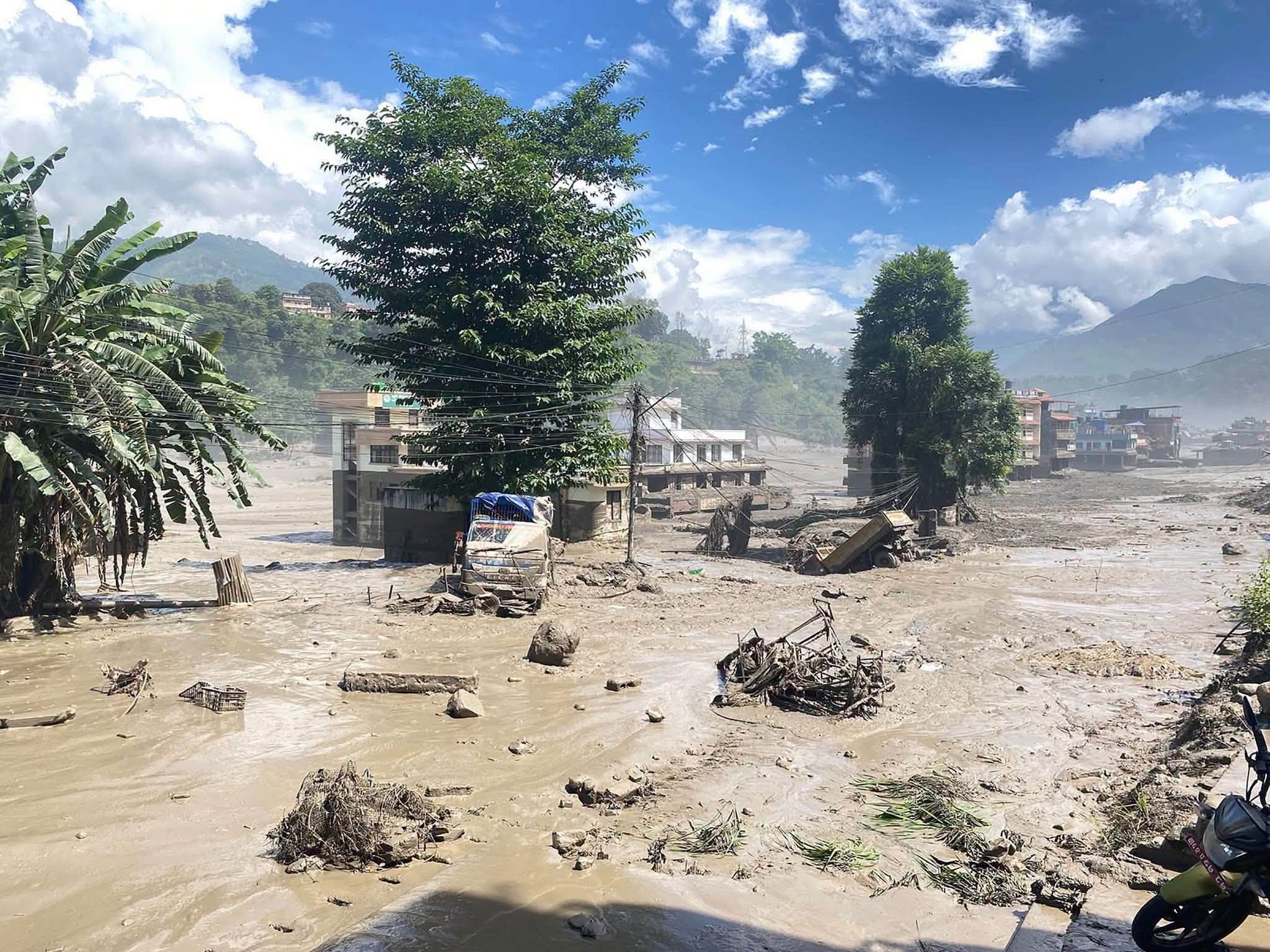
The disaster also caused extensive damage to monuments, parks and religious heritage sites.
At the committee meeting, Minister Poudel said the government was working on strategies to maintain the confidence of the international community and increase tourist arrivals to Nepal.
“Tourism is a business connected with emotions and based on empathy. The tourism sector has suffered major human and economic losses,” he said. “The government is working to establish an employee welfare fund for tourism workers affected by the disaster.”
Minister Poudel said the Bhotekoshi disaster should be linked to climate change and that a concept should be developed to transform Rasuwa into a “climate heritage” destination in the long term.
He argued that because the Himalayas are a shared global climate heritage, Nepal should raise the issue of disaster-related losses and climate justice at the international level.
Nepal’s Previous Tourism Recovery Efforts
Experts say Nepal’s tourism sector remained operational even during the decade-long Maoist conflict. The 2015 earthquake, however, affected nearly half of the country. Soon afterward, in 2016, the Nepal Tourism Board launched the “Visit Year 2016” campaign.
At a time when international tourists were hesitant to visit Nepal, the campaign provided a major boost to domestic tourism. It helped sustain tourism businesses even as international arrivals were temporarily affected.
Immediately after the earthquake, photographs of tourists posing with “Nepal is Safe” messages displayed at the airport were widely promoted as part of the tourism recovery campaign.
Similarly, at a time when Google searches for Nepal were dominated by images portraying the country as unsafe, positive images were uploaded to help change the narrative and communicate that Nepal remained open to visitors.
More recently, following the Gen Z protests, the Tourism Board launched a campaign featuring live broadcasts from tourist destinations and direct comments from tourists to demonstrate that Nepal remained safe for visitors.
The Tourism Minister and other stakeholders have also recently released video messages calling on tourists to visit Nepal. However, stakeholders say the messages have not received sufficient publicity.
Tourism entrepreneurs say the Bhotekoshi floods have created the impression among international tourists that the entire country is unsafe. As the peak tourist season approaches, this has already begun to affect advance bookings.
HAN President Binayak Shah said there has been an increasing trend of cancellations.
“Bookings are being cancelled, and an effective program must be introduced to stop this trend,” he said. “The government itself has to lead this effort.”