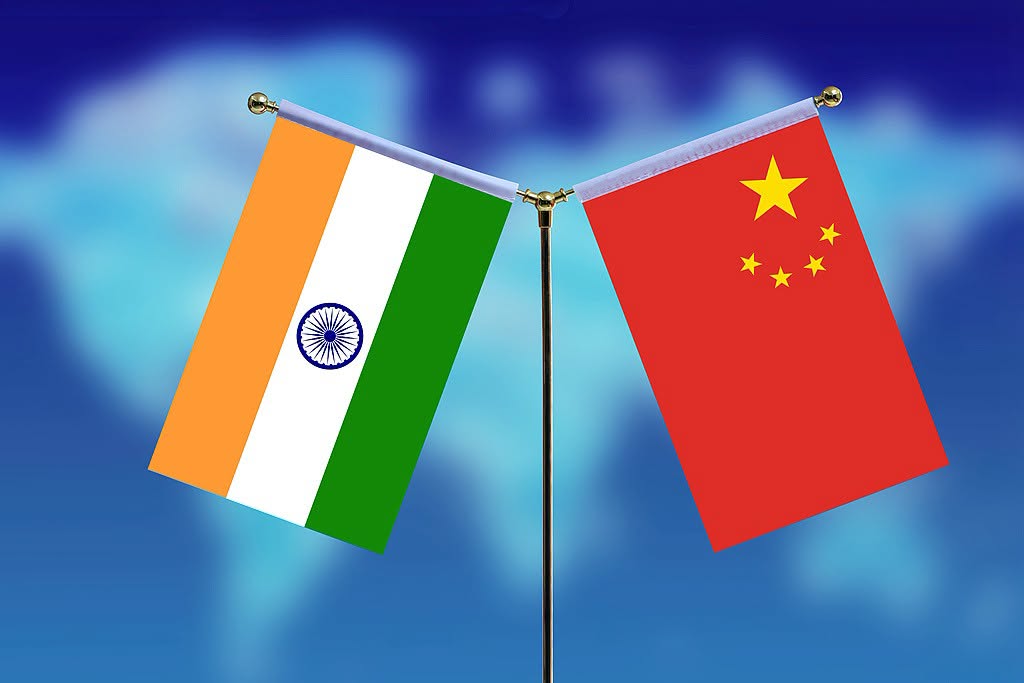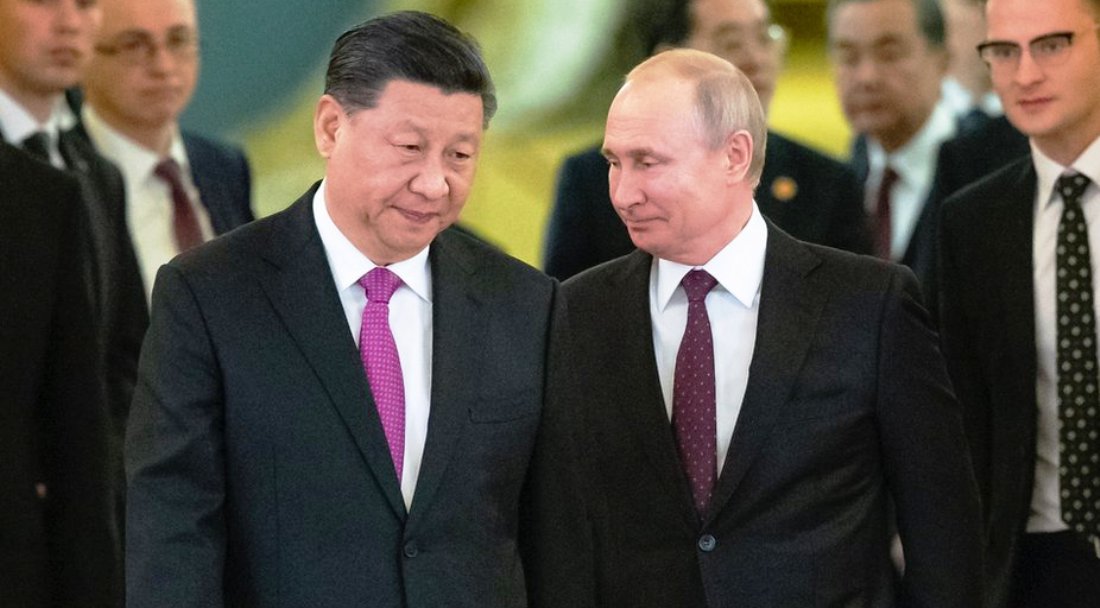
Russian President Vladimir Putin, Chinese President Xi Jinping, and the leaders of Iran and India are set to travel to Kyrgyzstan on Monday. They will attend a summit of the Shanghai Cooperation Organization (SCO), which is seen as a counterbalance to Western influence.
Around a dozen heads of state are expected to attend the two-day summit, being held to mark the SCO’s 25th anniversary. The group comprises Russia, China, India, Pakistan, Iran, four Central Asian countries, and Russia’s ally Belarus. Putin and Xi have used SCO meetings to promote their vision of a multipolar world and present a common position against the West.
Iranian President Masoud Pezeshkian and Pakistani Prime Minister Shehbaz Sharif, along with Putin, Xi and Indian Prime Minister Narendra Modi, are scheduled to attend the plenary session chaired by Kyrgyz President Sadyr Japarov. According to Kremlin spokesman Yuri Ushakov, Putin will hold separate bilateral talks with Pezeshkian, Xi and other leaders.
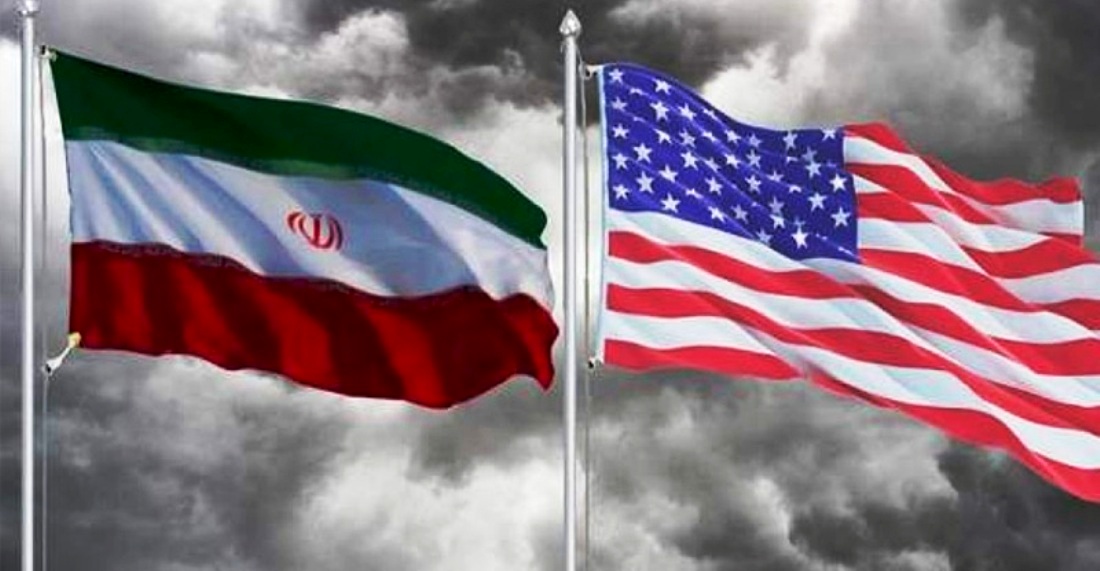
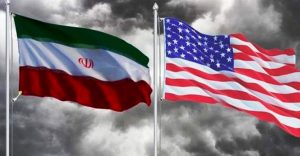
Military and economic ties between Russia and Iran have strengthened further during the war in Ukraine. U.S. President Donald Trump, meanwhile, has repeatedly warned Moscow and Beijing against supplying weapons to Iran. Putin’s meeting with Pezeshkian comes just days after U.S. Central Intelligence Agency (CIA) Director John Ratcliffe’s visit to Moscow. U.S. media have reported that the visit may have included discussions with Russian officials on Ukraine and Iran.
Summit amid war and trade tensions
Although the SCO initially focused on economic and regional cooperation, its political significance has grown in recent years under the leadership of Russia and China. In addition to its 10 member states, the group has 15 dialogue partners, including Turkey, Saudi Arabia and Qatar, as well as two observer states, Afghanistan and Mongolia.
The SCO’s founding charter describes the organization as “not an alliance directed against other states.” However, Putin and Xi have repeatedly criticized Western countries at summits. This year’s meeting is also taking place as some SCO members remain involved in conflicts related to Ukraine and Iran, while the United States and China are engaged in trade tensions.
The United States imposed additional sanctions this month on Iran’s trading partners in sectors including gold, technology, digital assets, aviation and maritime transportation. Washington has also warned that it could impose sanctions on Iran’s allies. China, the major importer of Iranian oil, has said it will firmly defend its interests.
Iran, which has faced sanctions for decades since the 1979 Islamic Revolution, has said it will not bow to economic pressure. However, President Pezeshkian has acknowledged that the country is facing economic difficulties. Iran, which became an SCO member in 2023, expects its participation in the organization to help it circumvent U.S. and European sanctions, said international relations expert Mohammad Hassan Nazmi.
However, he said such alliances have provided only limited assistance in resolving Iran’s problems during times of crisis. The SCO claims to represent around 40 percent of the world’s population and 25 percent of global gross domestic product. However, its member states have differences on various issues. Russia and China compete for expanding their influence in Central Asia, while China’s relations with India and Pakistan are also occasionally strained.
Rss/AFP