Kathmandu, 26, Sep: The government has initiated an investigation into the assets of former Prime Minister Sher Bahadur Deuba and two ministers from the outgoing government. The Department of Money Laundering Investigation has collected certain evidence and sent it to the Nepal Police’s Digital Forensic Lab (DFL) for examination.
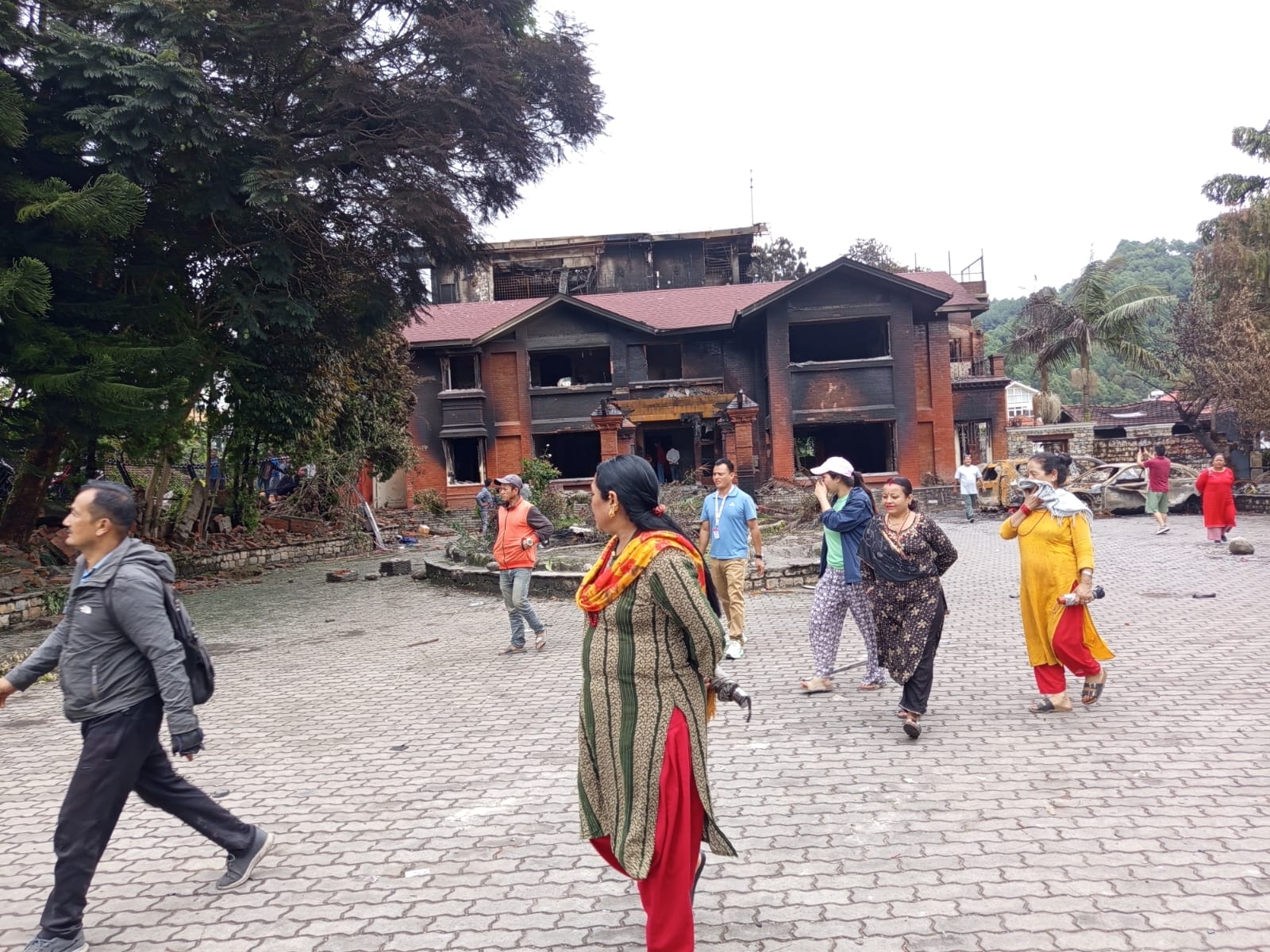
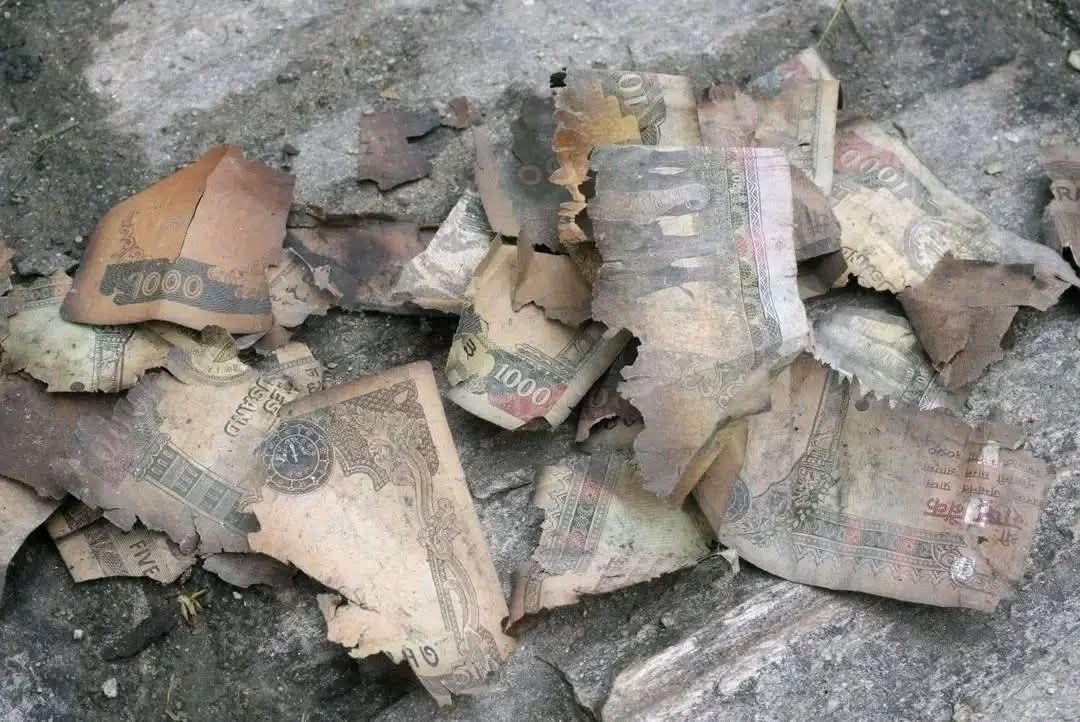
According to a source, evidence was gathered regarding the assets of former Prime Minister Deuba, his wife and outgoing Foreign Minister Arzu Rana Deuba, and Energy Minister Dipak Khadka. “The collected evidence has been forwarded to Nepal Police’s DFL to objectively verify its authenticity,” the source said. The probe began after complaints were filed and additional evidence was secured, including from the fire-damaged residences of Deuba and Khadka. Items collected included burnt cash fragments, ashes, and video footage showing scattered and blown-away currency.
Allegations of Abuse of Power and Illegal Wealth
Arzu Rana Deuba, who faced accusations of running parallel underground networks during Deuba’s premiership, has long been charged with abusing her public office and misusing authority in state affairs. She was also linked to the fake refugee scandal and accused of amassing illegal property.
Energy Minister Dipak Khadka has been accused of misusing his ministerial post for personal gain. Evidence recovered from his residence has also been sent for forensic examination. Over the years, the Deuba family has been repeatedly associated with irregularities, including influencing high-level appointments. Their role was highlighted in the appointment of Dr. Baikuntha Aryal as Chief Secretary after Shankardas Bairagi was made National Security Advisor.
Arzu and Deuba’s close associates, Sunil and Bikal Paudel, are currently in custody on corruption charges, facing nearly a dozen cases under consideration in the Supreme Court and Special Court. Meanwhile, their son Jaiveer Deuba is accused of using state power to sway government decisions, with the group’s name linked to the Security Printing Center, payment gateways, and Nepal Telecom’s billing system. However, political protection and lack of evidence previously hindered investigations.
How the Investigation Proceeds
Under Nepal’s anti-money laundering law, unless concrete evidence directly links suspects, a money laundering case cannot be filed. However, if illegally acquired wealth is established, corruption charges are automatically drawn.
Even if further evidence is not found, the Department can forward the case to the Commission for Investigation of Abuse of Authority (CIAA) if suspicions of illegal property accumulation persist.
Since 1991, except for a few years, the Deuba couple has consistently held public office. If they fail to prove the legal sources of their assets, they may face corruption charges.