Kathmandu, 09 Aug: The Rakshabandhan and Janai Purnima (Rishi Tarpani) festival, celebrated every year on the full moon day of the month of Shrawan, is being observed across the country today by wearing new sacred threads (Yagyopaveet) and Rakshabandhan threads.
On the day of the full moon, from early morning, followers of the Vedic Sanatan Dharma bathe in rivers, lakes, ponds, and water bodies, and receive the sacred protection thread (Rakhi) from their spiritual teachers or priests. It is a religious belief that when those who wear the sacred thread (Tagadhari) receive a Yagyopaveet and protection thread sanctified with proper rituals and mantras by the guru or priest, they are protected from negative influences.
According to ancient belief, during the Satya Yuga, when the gods were chased by demons, their guru, Brihaspati, devised a protective ritual. It is said that through this ritual, the extremely powerful demon king Bali was bound, and the words were uttered: “I bind you so that you may be safe and remain unwavering.” By tying a sacred thread, the gods were thus protected. Based on this legend, the tradition of Rakshabandhan has continued to this day.
For this reason, during the Rakshabandhan ceremony, the guru or priest chants the Vedic mantra:
“Yena baddho bali-raja danavendro mahabala
Tena tvaam pratibadhnaami rakshe maachalam achal” —
meaning, “With which the mighty demon king Bali was bound, with that I bind you; may you remain protected and steadfast.”
This practice of tying the protection thread, also called Rakshabandhan or dorō, is a Vedic tradition, explained Professor Dr. Ram Chandra Gautam, former Chairperson of the Nepal Panchang Nirnayak Vikas Samiti and a scholar of religious scriptures, to Rastriya Samachar Samiti.
For the protection of individuals, Brahmin priests perform prayers, penance, and rituals to sanctify the Rakshabandhan thread with mantras, and then tie it around the right wrist of the patron while reciting the sacred incantations.
Wearing the Sacred Thread (Yagyopaveet)
According to the scriptures, on this very day, Brahmins, Kshatriyas, and Vaishyas — the three varnas entitled to wear the sacred thread (tagadhari) — must replace their Janai (Yagyopaveet). For this ritual, from the fourteenth day of the bright fortnight of Shrawan (Shrawan Shukla Chaturdashi), they shave their heads, eat only one meal a day, and maintain ritual purity.
Those observing this vow bathe early in the morning on the full moon day in ponds, lakes, rivers, or sacred water tanks, cleansing themselves with cow dung, ash, dattiun (traditional herbal toothbrush), and saptamrittika (a mixture of seven types of clay). This ritual bath is also called Shrawani Snan.
After the bath, they offer tarpan (libation) to the sages using barley, sesame seeds, and sacred kush grass, and then replace their old Janai with a new one sanctified through the Vedic Rudrabhishek method. Because worship and tarpan are offered to eight sages — Kashyapa, Atri, Bharadwaj, Vishwamitra, Gautama, Jamadagni, Vashishta, and Agastya — along with Arundhati, the day is also called Rishi Tarpani.

Kwati special
The Tradition of Kwati
On the day of Janai Purnima, a special dish called Kwati is eaten, made by mixing eleven varieties of beans, soaking them, sprouting them, and then cooking them into a soup. According to both religious belief and Ayurvedic tradition, eating Kwati prevents illnesses, cleanses the stomach, and, after working in the fields throughout the monsoon season, drives out the cold from the body while generating warmth from within.
Ayurvedic physician Dr. Vanshdeep Sharma Kharel explains that drinking the broth made from the mixture of various beans boosts the body’s immune system. He adds that it also helps cure ailments such as colds and coughs caused by dampness and exposure to cold.
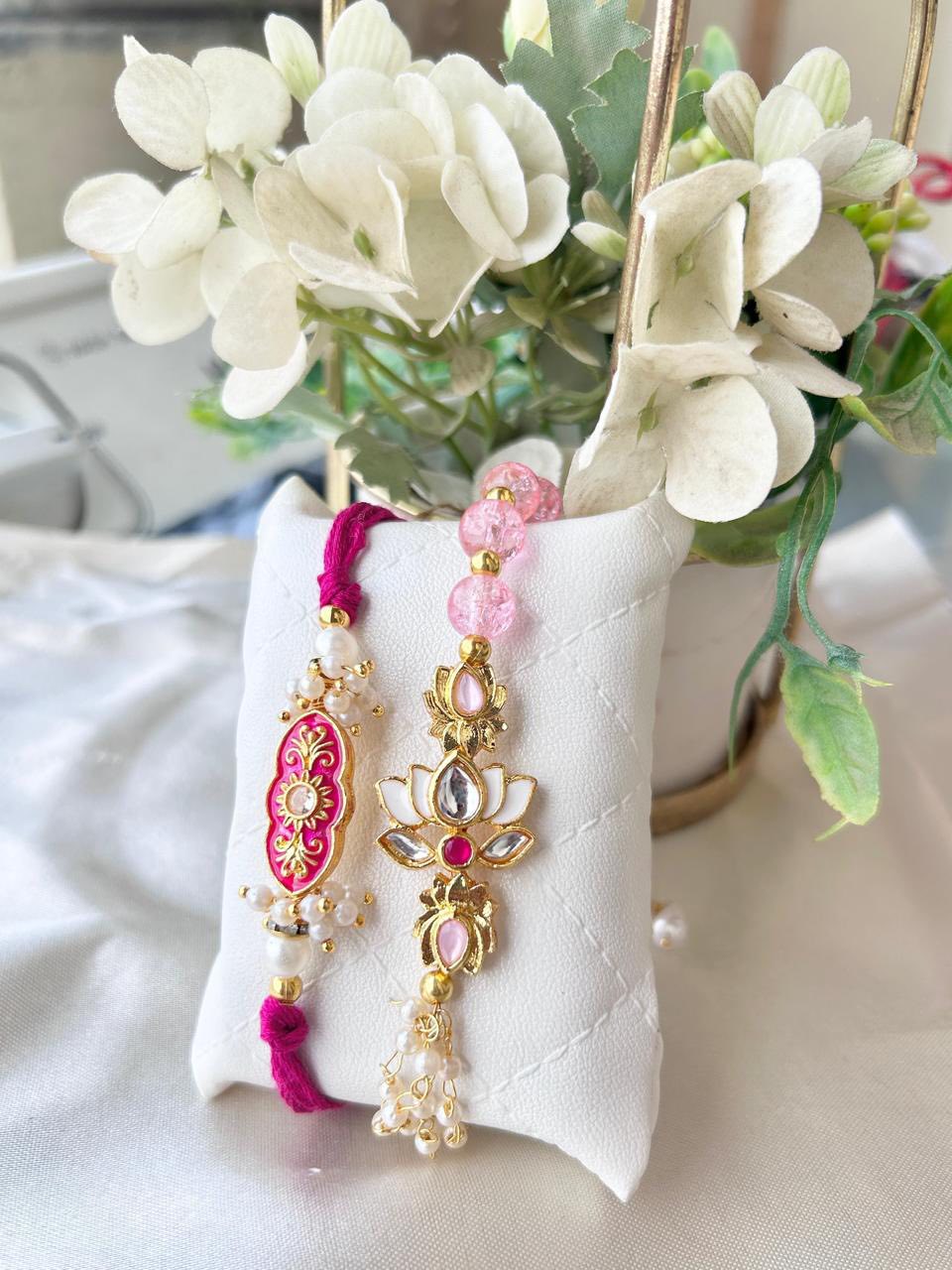
Rakhi of Terai and Indian
Rakhi Tying in the Terai Region
In Nepal’s Terai region, this very day is celebrated by sisters tying Rakhi on their brothers’ wrists. This tradition is based on the social belief that it strengthens the bond of love between brothers and sisters. In recent years, the practice has also been gaining popularity in the hilly regions.
From early morning on the full moon day of Shrawan (Shrawan Shukla Purnima), fairs are held at various sacred ponds, lakes, and water bodies, including Manichud in northeastern Kathmandu, Gosaikunda in Rasuwa, Kumbheshwar in Lalitpur, Panchpokhari in Sindhupalchok, Janakpur Dham in Dhanusha along with Dhanush Sagar and Ganga Sagar, Dan Sadhu in Jumla, and Trivenidham in Nawalparasi.