US Special Envoy Steve Witkoff Expected in Doha to Finalize Gaza Ceasefire, Hostage Deal
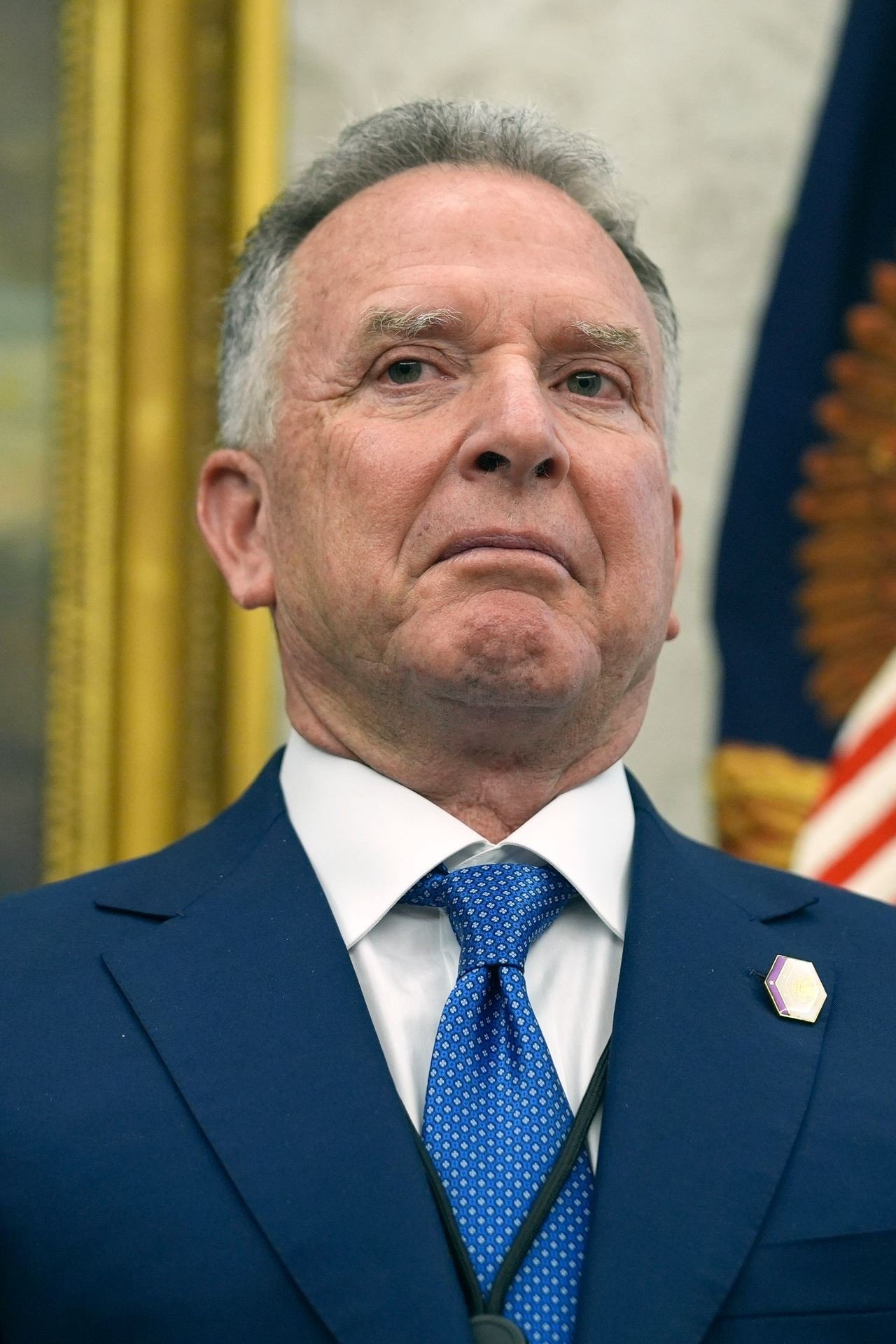
US special envoy to the Middle East, Steve Witkoff, is expected to travel to Doha by the end of the week to help finalize a ceasefire and hostage release agreement between Israel and Hamas, according to a source involved in the mediation efforts.
The source spoke to The Times of Israel shortly after State Department spokesperson Tammy Bruce announced that US Secretary of State Marco Rubio had informed her Witkoff was already en route to the region. She added that Washington remains optimistic about the prospects for a deal.
“Witkoff is heading to the region now — to the Gaza area,” Bruce told reporters during a briefing. When asked for specifics about his destination, she said Secretary Rubio had not provided further details.
Despite earlier reports suggesting US Special Envoy to the Middle East Steve Witkoff was en route to Doha to finalize a Gaza ceasefire and hostage release agreement, a source involved in the mediation effort told The Times of Israel that Witkoff remains in the United States and is not expected to depart until Wednesday — and then only for meetings in Europe, not Qatar.
Witkoff’s presence in Doha has been widely seen as a signal that negotiations are nearing a breakthrough, as he has reportedly indicated he would only join the talks once they are close to a final agreement. His delayed departure appears to contradict the optimism expressed Tuesday by US State Department spokesperson Tammy Bruce, who said Secretary of State Marco Rubio had just informed her that Witkoff was already en route to the region, raising hopes for an imminent deal.
“Witkoff is heading to the region now — to the Gaza area,” Bruce told reporters during a briefing, though she acknowledged that Rubio had not provided specific details about his destination.
Meanwhile, Israeli Prime Minister Benjamin Netanyahu held a situational assessment on Tuesday with the Israeli negotiating team in Doha, according to an Israeli official.
Back in Washington, a delegation of former hostages is expected to meet Wednesday with senior officials from the Trump administration to discuss the ongoing negotiations.
Proximity talks between Israel and Hamas have been underway since July 6 in Doha. The emerging deal reportedly includes the release of 10 living hostages and the bodies of 18 others in exchange for an undetermined number of Palestinian security prisoners during a 60-day ceasefire. Once the truce begins, negotiators will shift their focus to a permanent ceasefire agreement and the release of the remaining 22 hostages, approximately 10 of whom are believed to still be alive.
Mediators had expressed cautious optimism last week about the potential for an imminent ceasefire and hostage release deal, following Israel’s decision to soften its demands regarding the scope of its military presence in Gaza during a proposed two-month truce. However, progress has since stalled, with Hamas accused of slow-walking its response to the latest Israeli concessions, a source involved in the negotiations told The Times of Israel late Tuesday.
Earlier this week, Hamas told mediators it was unable to contact its leadership in Gaza — a claim the source dismissed as a stalling tactic. According to the source, mediators have since warned the group that the United States may withdraw its assurances to keep Israel engaged in follow-up negotiations toward a permanent ceasefire if Hamas fails to respond constructively in the coming days.
Despite the delays, an Arab diplomat familiar with the talks described the overall trajectory as positive and said a deal remains achievable within days.

Still, due to Hamas’s lack of response, key details of the agreement remain unresolved. Negotiators have not yet held advanced discussions on the list of Palestinian security prisoners to be released, the source said, suggesting that an announcement by the end of the week may be unlikely.
The identities of the hostages to be freed also remain uncertain. Prime Minister Benjamin Netanyahu previously told families of the captives that Hamas would determine who to release. However, two sources told Haaretz that Israeli intelligence has been providing Netanyahu’s office with assessments on the hostages’ conditions, and that the Israeli political leadership will ultimately decide the order of their release.
Meanwhile, US State Department spokesperson Tammy Bruce said Tuesday that the proposed ceasefire agreement will also include the establishment of a new humanitarian corridor to deliver aid more securely and efficiently into Gaza.
She appeared to be referring to a separate track of negotiations that have been taking place in Cairo between Israeli and Egyptian negotiators to come up with a new mechanism for aid distribution during the truce.
Negotiations over a new humanitarian aid mechanism for Gaza are progressing, a source involved in the talks said Monday, with a meeting planned for Tuesday between Egyptian, Israeli, and UN officials to discuss the proposal. The goal is to move away from the Gaza Humanitarian Foundation (GHF) while still addressing Israel’s concerns that Hamas has exploited existing UN-led aid distribution channels to divert resources.
Hamas has staunchly opposed the GHF — a stance that, according to Israel, confirms the effectiveness of the US- and Israeli-backed organization in sidelining the terror group from the aid distribution process.
However, international aid organizations have also criticized the GHF, arguing that its distribution model forces desperate Palestinians to travel long distances under fire to collect food. While the GHF claims to have distributed the equivalent of 85 million meals over the past two months, most of the aid consists of dry goods requiring preparation — a major hurdle in a war-torn enclave with minimal access to clean water, cooking fuel, or basic equipment.
Conditions on the ground continue to deteriorate. Hamas-run health authorities in Gaza reported Tuesday that 20 Palestinians had died from starvation in just the past two days — an unprecedented toll that underscores the urgency of the humanitarian crisis.
Amid the worsening situation, regional actors have pushed Israel to permit the Palestinian Authority (PA) to take on a greater role in Gaza, including in aid distribution. Prime Minister Benjamin Netanyahu has firmly rejected this, equating the PA with Hamas and refusing to allow it a foothold. However, the failure to establish a viable alternative governing authority has created a power vacuum in areas where Israel has largely dismantled Hamas’s military and administrative presence — a vacuum increasingly filled by chaos and lawlessness.