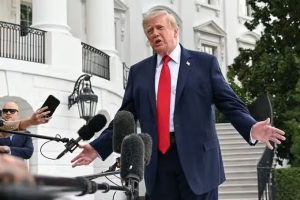
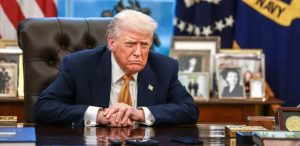
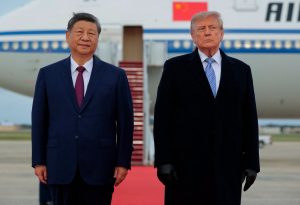
Frustrated with Russian President Vladimir Putin, U.S. President Donald Trump appears to be signaling a shift toward a more aggressive policy against Russia.
According to a report by the American online outlet Axios, citing sources familiar with the matter, Trump is expected to announce a new plan on Monday to supply Ukraine with offensive weapons and other military equipment.
Despite his traditionally warm relationship with Putin, Trump had, since the beginning of his second term, pressured Ukraine to accept a peace deal on Russia’s terms. He had halted the delivery of weapons approved by former President Joe Biden and even temporarily suspended the flow of U.S. intelligence to Ukraine.
However, as Putin has shown no real intention of ending the war, Trump’s stance toward both Russia and Ukraine now appears to be shifting.
Until recently, Trump had insisted that the U.S. would provide Ukraine only with defensive weapons to prevent further escalation. Now, however, Axios reports that he is preparing to authorize the supply of offensive weapons as well.
American, Ukrainian, and European officials believe the newly approved weapons could alter the course of the war — potentially putting pressure on Putin to consider a ceasefire.
Sources told Axios that Trump’s new plan may include long-range missiles capable of striking deep inside Russian territory, even reaching the capital, Moscow.
Frustrated with Russian President Vladimir Putin, U.S. President Donald Trump is now showing signs of adopting a more aggressive policy toward Russia.
Republican Senator Lindsey Graham told Axios, “Trump is genuinely angry with Putin. His announcement on Monday will be very assertive.” On the same day, Trump is scheduled to meet with NATO Secretary-General Mark Rutte at the White House. He is expected to unveil his new plan regarding the Russia-Ukraine war after the meeting.
Two weeks ago, Trump had halted the delivery of Patriot air-defense interceptor missiles and other weapons that were approved for Ukraine under President Joe Biden’s administration. However, following Russia’s intense attacks on Ukrainian cities, Trump reversed course, saying he had no other choice and announced additional arms support. Despite this, he had initially emphasized providing only defensive, not offensive, weapons to Ukraine.
European nations had purchased Patriot air-defense systems with the intent of supplying them to Ukraine. But now, Trump is reportedly set to authorize not just defensive weapons but also offensive ones.
At the NATO summit in The Hague three weeks ago, Trump had told Ukrainian President Volodymyr Zelensky that he would consider selling Patriot missiles. Yet just a week later, the U.S. blocked the delivery of weapons already transported to neighboring Poland for handover to Ukraine.
Zelensky has publicly stated that Ukraine needs 10 Patriot air-defense units worth $15 billion to defend against Russian aerial assaults.

It was previously anticipated that Trump might halt U.S. arms supplies to Ukraine. This expectation led European countries to begin procuring U.S.-made weapons independently and supplying them to Ukraine.
Just two days after suspending the weapons, Trump spoke with Putin for over an hour on the phone. He expressed his dissatisfaction with the ongoing war but admitted that the conversation yielded no progress.
In late February, Trump had harshly scolded Zelensky during a White House meeting, an encounter widely viewed as humiliating. However, after their June 25 meeting in The Hague, Trump softened his tone, calling Zelensky “a good man.” One week later, he halted arms delivery — and another week after that, he announced renewed arms support.
The U.S. is currently mediating efforts for a ceasefire between Russia and Ukraine under Trump’s leadership. Both publicly and privately, Trump has been pressuring both sides to end the conflict.
The U.S.-proposed 30-day temporary ceasefire was readily accepted by Ukraine, but Putin declined. Russia has issued demands that Ukraine must not join NATO, reduce its military, and recognize not only the territory Russia currently occupies but also areas it claims without control.
After a phone call with Putin on May 19, many had hoped for a breakthrough, but Trump failed to persuade him during their two-hour conversation. Trump has since backed away from insisting on an immediate ceasefire from Russia.
Rather than de-escalate, Russia intensified its assault on Ukraine, prompting Trump to escalate his criticism of Putin. Reports suggest that Trump is now considering imposing new sanctions on Russia, accusing Putin of deceiving him under the guise of negotiations.
If Russia fails to demonstrate genuine interest in peace, Trump is expected to take harsher measures.
In early June, Ukraine used a large fleet of drones to destroy multiple Russian bombers, leading to a peace meeting between Russian and Ukrainian officials in Turkey. However, the talks produced no concrete results.
During the hour-long meeting, Russia formally presented its conditions for ending the war, which included territorial concessions from Ukraine and a reduction in Ukraine’s military force. Moscow insists it is seeking a long-term solution rather than a temporary ceasefire.
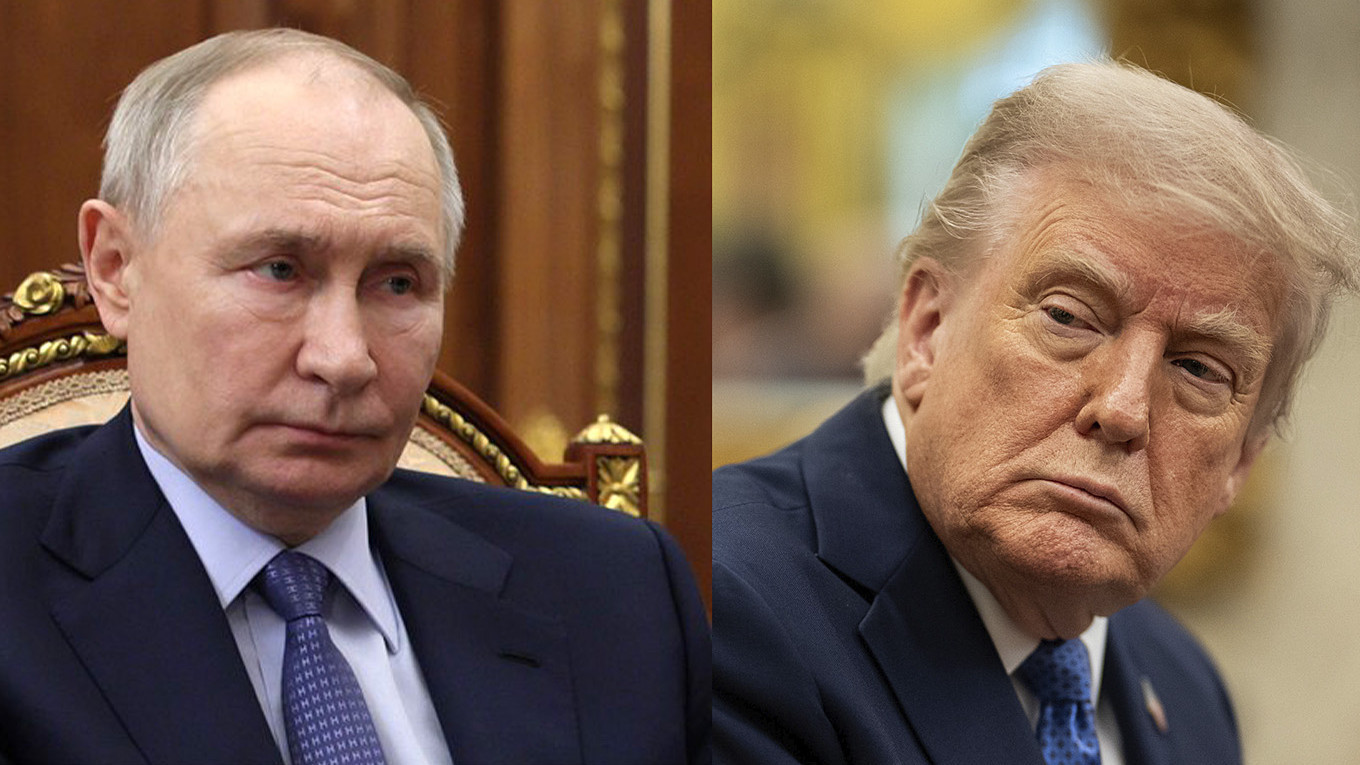
Ukraine, on the other hand, accuses Putin of having no interest in peace. According to the Russian news agency Interfax, Russia demands international recognition of Crimea — annexed in 2014 — as Russian territory. It also seeks recognition of four other Ukrainian regions it claims as its own, even though they are not fully under Russian control. Russia insists Ukrainian forces must withdraw from those areas.
Additional Russian demands include Ukrainian neutrality (never joining NATO), protection of Russian-speaking populations, making Russian an official language in Ukraine, and ending what it calls the “Nazification” of Ukraine — accusations that Kyiv and the international community widely reject as absurd.
Ukraine, for its part, is demanding an unconditional ceasefire across air, land, and sea — to be monitored by the United States. It also seeks the release of all prisoners, the return of Ukrainian children forcibly taken to Russia, and a direct meeting between Presidents Zelensky and Putin.
To ensure Russia does not violate the ceasefire, Ukraine is also calling for international security guarantees. Moreover, Ukraine insists that no international recognition should be given to the Russian-claimed Ukrainian territories. It opposes any restrictions on its own military capacity and calls for phased lifting of Western sanctions on Russia only if it complies with agreements. Should Russia violate any terms, sanctions must be reimposed.
Ukraine further demands that seized Russian assets be used to fund its post-war reconstruction.