April 30, 2026 5:59 am
Category Not Found!
April 30, 2026 5:59 am

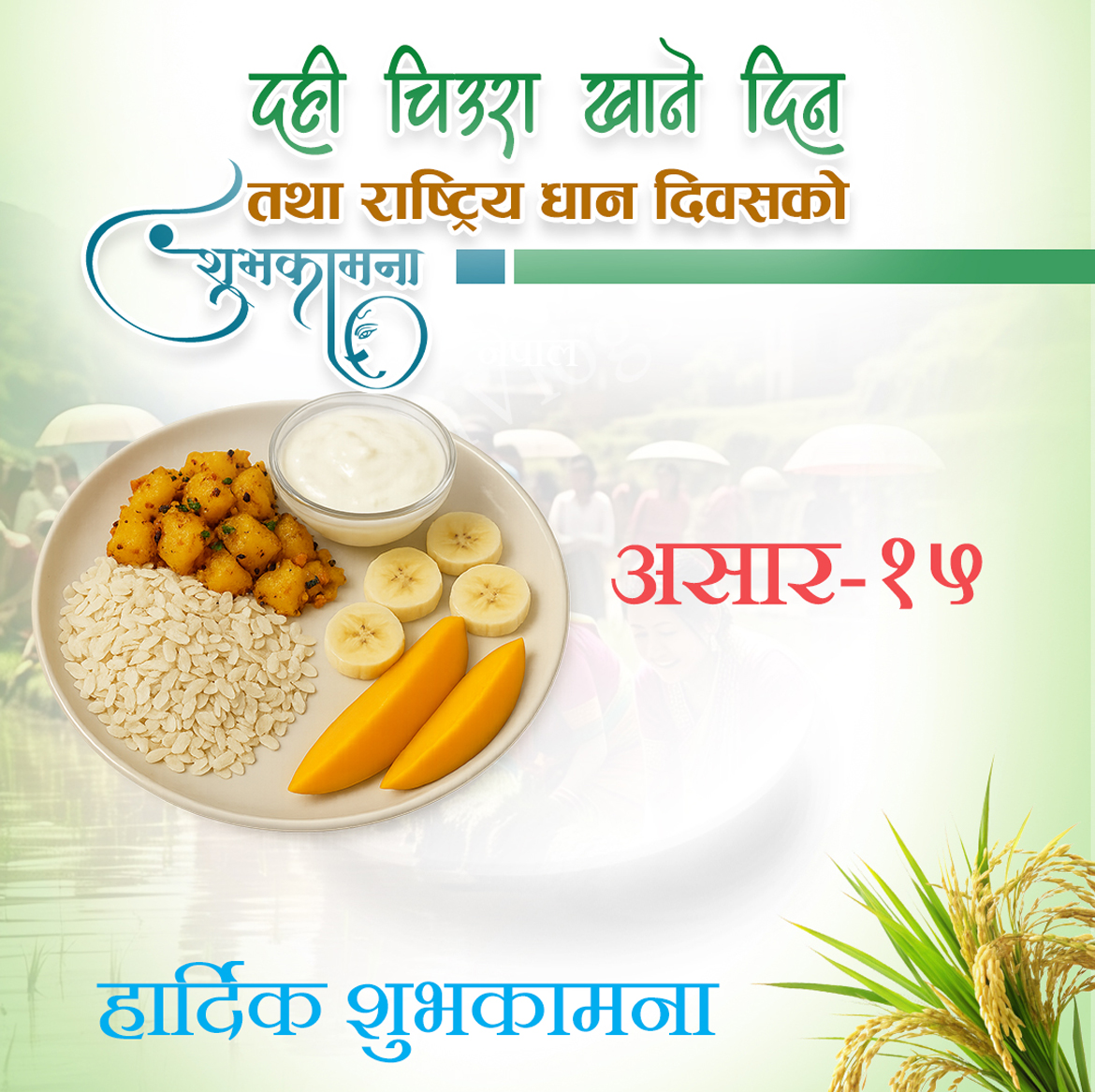
Today is Asar 15 (29 June): Celebrating Rice Planting Day and the Cultural Festival of Curd and Beaten Rice

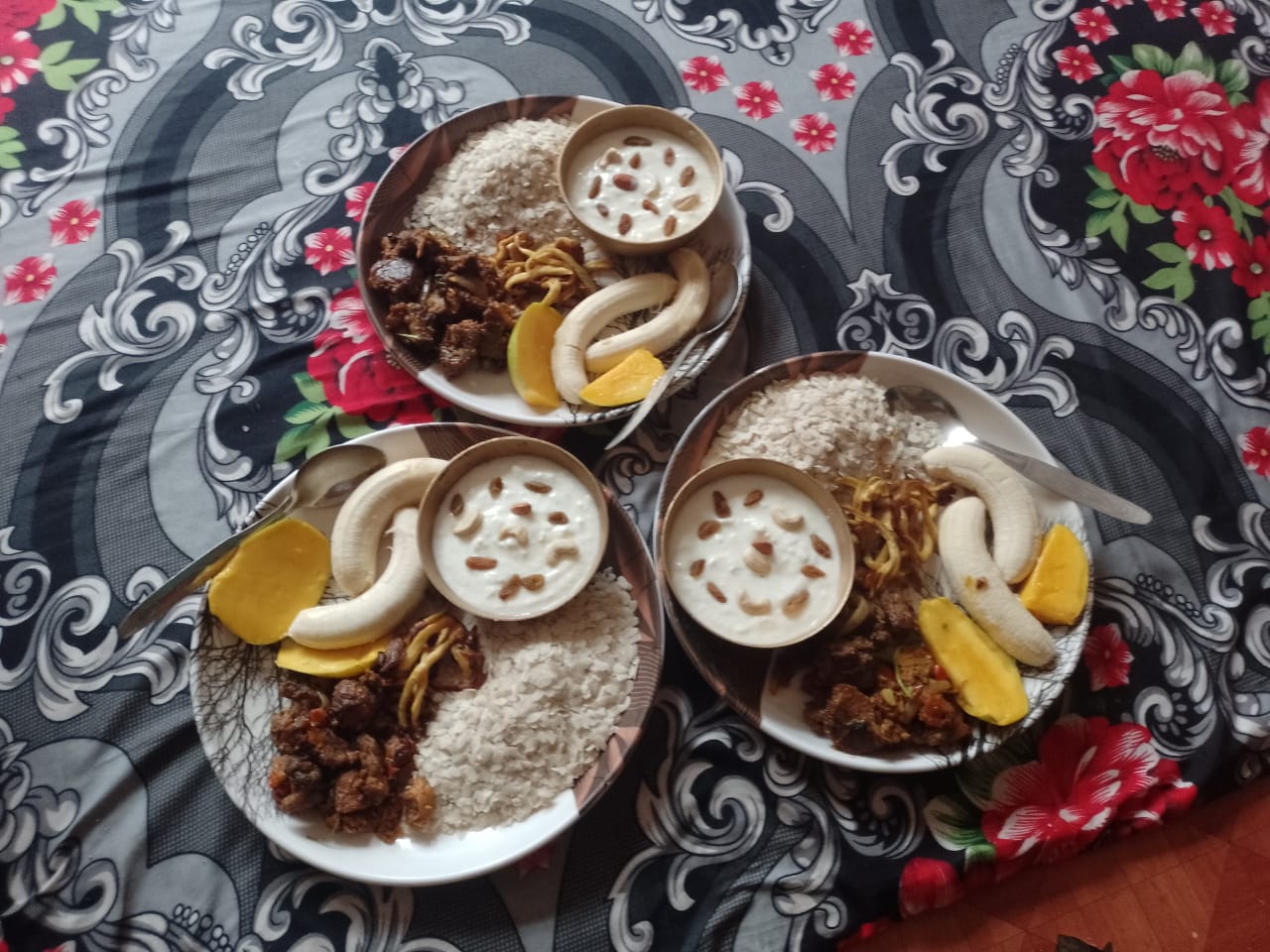
Kathmandu, 29 June: The annual celebration of Asar 15 (15th day of the Nepali month Asar), known as Rice Planting Day, is being observed today by working in the fields and eating curd and beaten rice (dahi chiura). Farmers, tired from the hard labor of planting rice, eat dahi chiura to regain strength. It is believed that this traditional food not only cools the body but also helps restore energy. In Nepali society, Asar 15 is also regarded as a cultural festival marked by eating curd and beaten rice.
In our culture, curd holds special significance. Before setting out for auspicious tasks—such as leaving home for important journeys or going abroad—it is customary to apply a red tika mixed with curd and rice grains (akshata) on the forehead. Curd is also offered as a symbolic gesture of good luck during farewell rituals. There is a widespread belief that eating curd before setting off brings good fortune.

Curd is considered beneficial for health from a scientific perspective as well. It is said that the revered guru Gorakhnath gave curd to King Prithvi Narayan Shah, the unifier of Nepal, and predicted he would become a powerful ruler. In Ayurveda, it is believed that drinking buttermilk (mohi) made by churning curd at the end of a meal can eliminate the need to visit a doctor for treatment. A well-known Ayurvedic saying goes: “Bhojanante pibet takram, vaidyasya kim prayojanam”, meaning “Drink buttermilk after meals, and you won’t need a doctor.”

Curd also enhances digestion. During diarrhea or stomach issues, eating curd with beaten rice (dahi chiura) works like medicine. Because of its numerous health benefits and deep cultural roots, the tradition of eating curd and beaten rice has taken a significant place in Nepali culture.
Thus, Asar 15 has evolved into a meaningful national cultural festival in Nepali society.
Rice Plantation Day (Dhan Diwas)

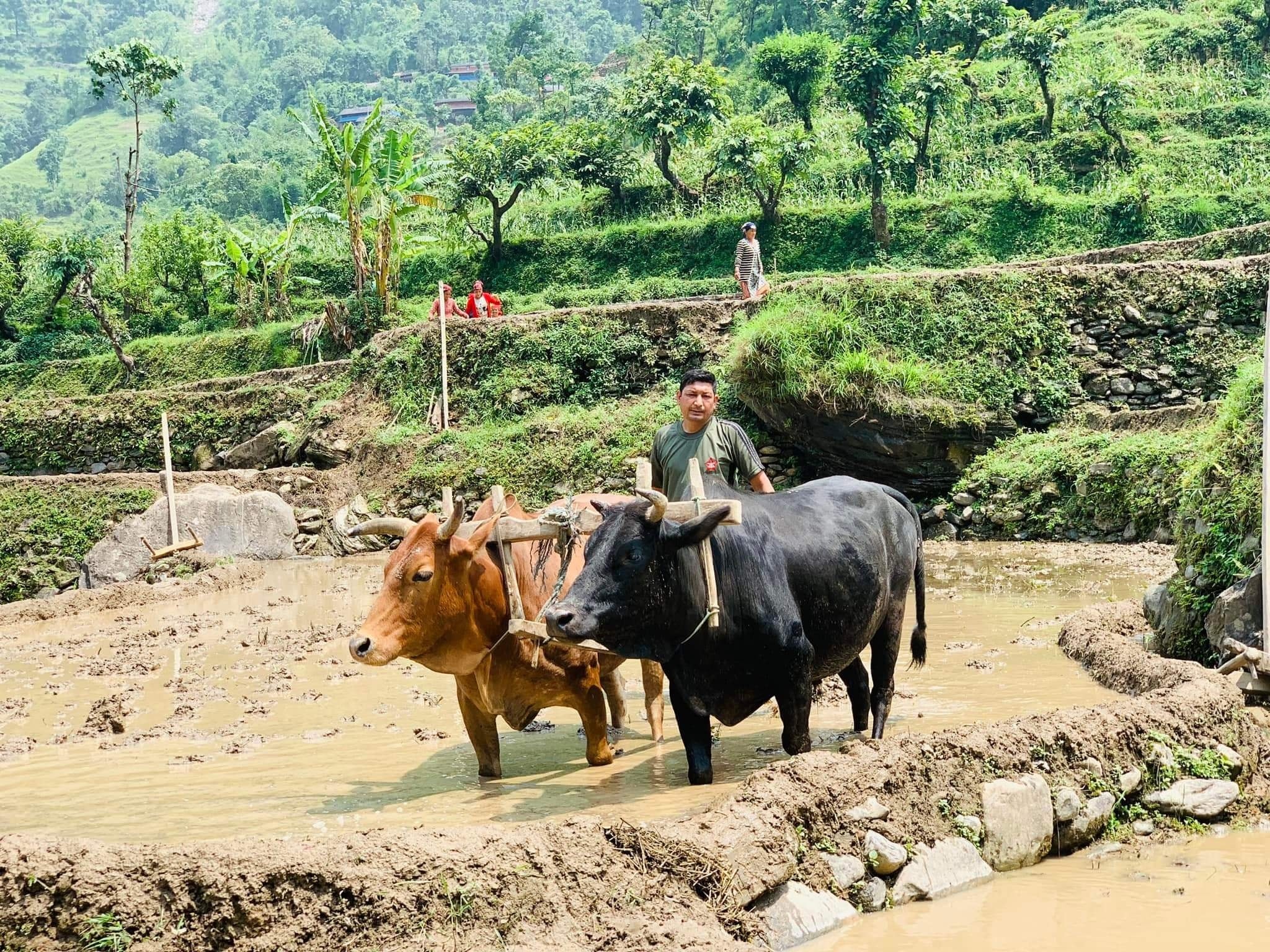
Nepal began officially celebrating National Rice Plantation Day on Asar 15, 2062 B.S. following a ministerial decision made on Mangsir 29, 2061 B.S. As an agriculture-based country, farming is the primary occupation for the majority of Nepalese.

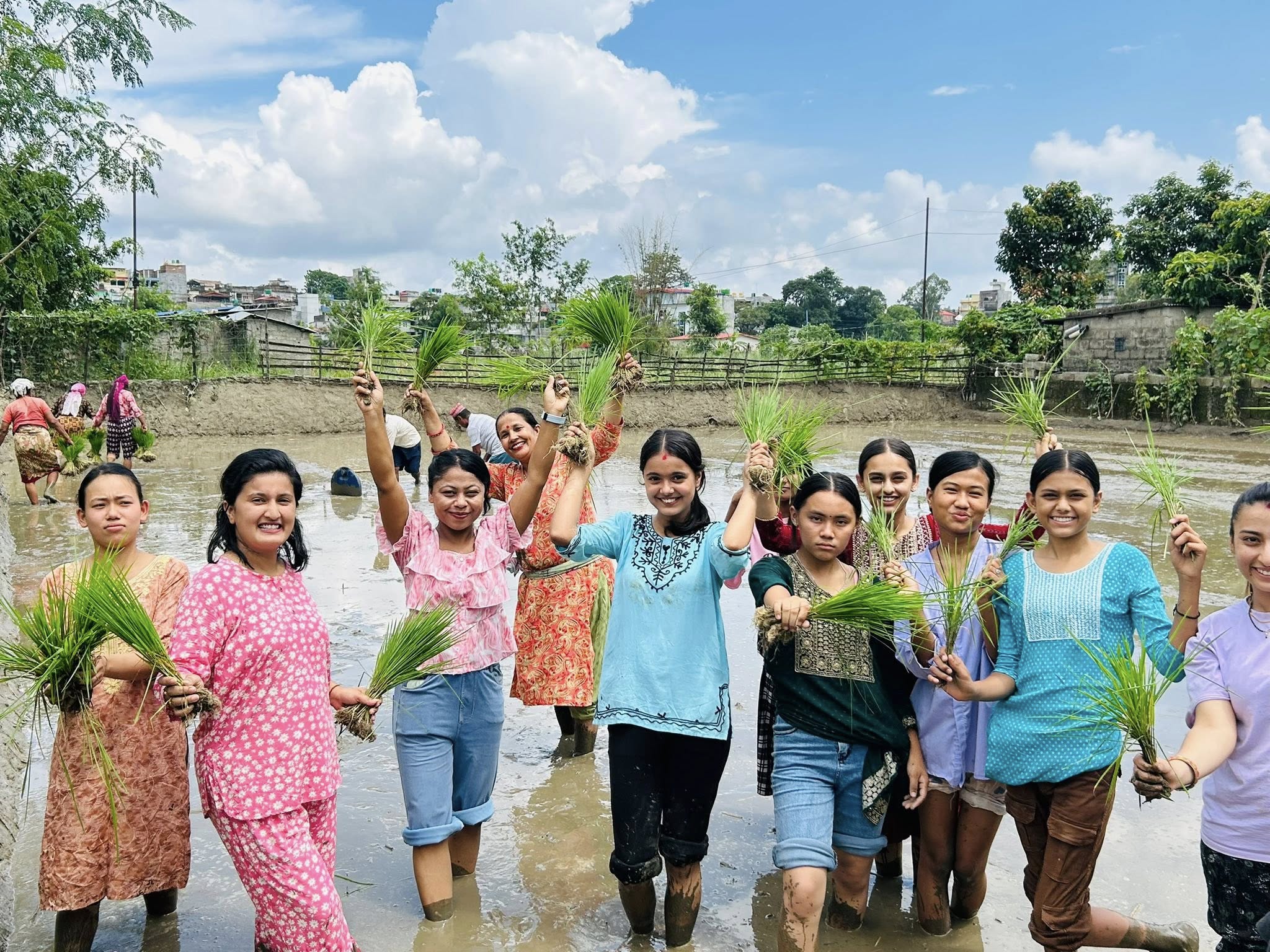
During this month, farmers are busy in the fields to secure food for the entire year. On this day, rice is planted in muddy fields while singing traditional Asare folk tunes. Songs like “Chhupu ra chhupu hiloma, dhan ropera chhodoula, banai kulo lagai, pani aayera godaula” are sung with joy as people enjoy the rhythm of work and music in the fields.

In the peak of summer, young men and women enjoy splashing each other with mud in the fields while planting rice, turning hard labor into festive fun. There is a cultural belief in Nepali society that one must step into the mud at least once during Asar.

This year, however, due to insufficient rainfall across many parts of the country by mid-Asar, rice planting has not progressed as expected. Farmers have also raised concerns over a shortage of chemical fertilizers in some areas. Meanwhile, the Ministry of Agriculture and Livestock Development has claimed that there is an adequate supply of fertilizers in stock.


Picture of Phatam Bahadur Gurung

Phatam Bahadur Gurung

Recommendation

Latest Update

Login

Please Note:

  • You will need to register in order to leave a comment.
  • You can easily log in using your email, or through Google, Facebook, and Twitter.
  • If you prefer not to comment with your real name, you can change your display name and profile photo to any nickname of your choice. Feel free to comment; your real identity will remain confidential.
  • With registration, you can view a complete summary of your comments, replies, and likes/dislikes in your profile.