Kathmandu, 7 Jun: Muslims across the country are celebrating Bakra Eid (Eid al-Adha), the second major festival of the Islamic faith, at mosques nationwide today. Observed on the 70th day after Eid al-Fitr (Ramadaan), this festival holds special significance as a symbol of sacrifice and devotion.
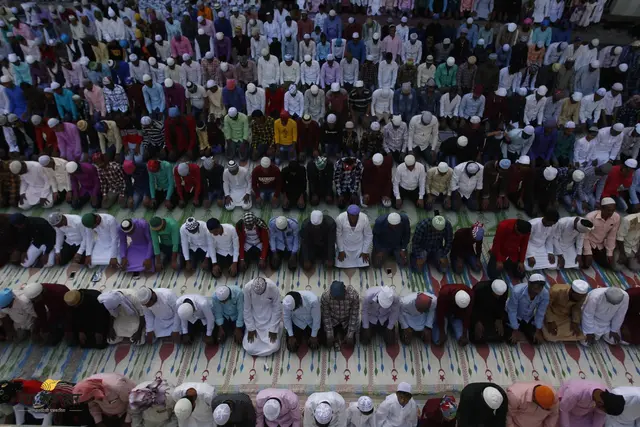
This morning, members of the Muslim community took ritual baths and gathered at nearby mosques or Eidgahs to offer collective prayers (Namaz). Mosques such as the Nepali Jame Mosque in Durbar Marg, Kathmandu, the Kashmiri Mosque, and others across the country saw large crowds of worshippers. After the prayers, people embraced one another and exchanged warm greetings and well-wishes.
This festival is celebrated in remembrance of the sacrifice made by Prophet Ibrahim, who was willing to offer his son Ismail as a sacrifice in obedience to Allah’s command. According to Islamic belief, Allah, pleased with Ibrahim’s devotion, replaced Ismail with a ram from paradise for the sacrifice.
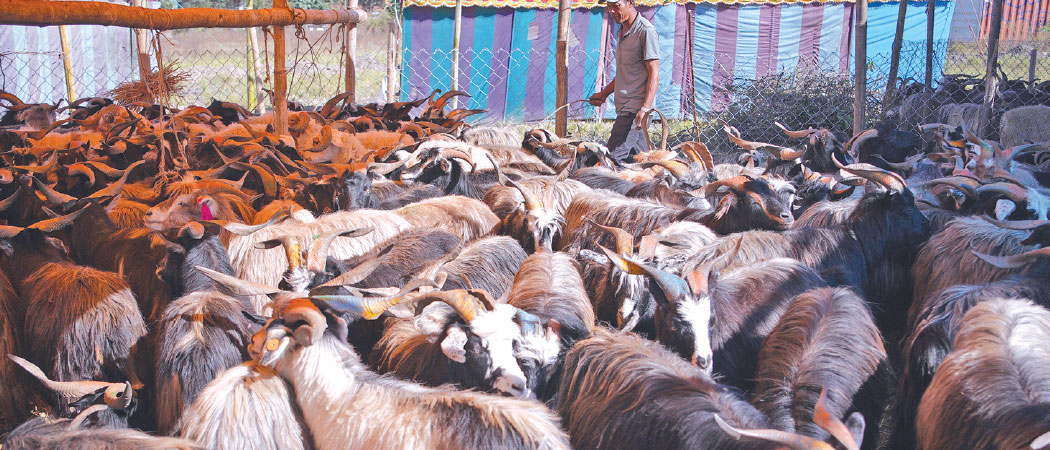
Continuing this tradition, Muslims today offer the sacrifice (Qurbani) of animals that are permitted in the religion, according to their financial capacity.
The meat of the sacrificed animal is divided into three parts: one part is given to the poor and needy, another to relatives and friends, and the remaining portion is kept for the family. This festival promotes social harmony and the spirit of sharing.
The period of Bakra Eid is also associated with the Hajj pilgrimage, during which millions of Muslims from around the world travel to the holy cities of Mecca and Medina in Saudi Arabia. The Government of Nepal also facilitates the Hajj pilgrimage through the Hajj Committee.
According to Mansur Hussain, Secretary of the Nepali Jame Mosque, this festival is observed for three days. On this occasion, the Government of Nepal has declared a public holiday today.