Chautara refers to a traditional resting platform made of stone or wood, usually built under a tree for travelers to rest.
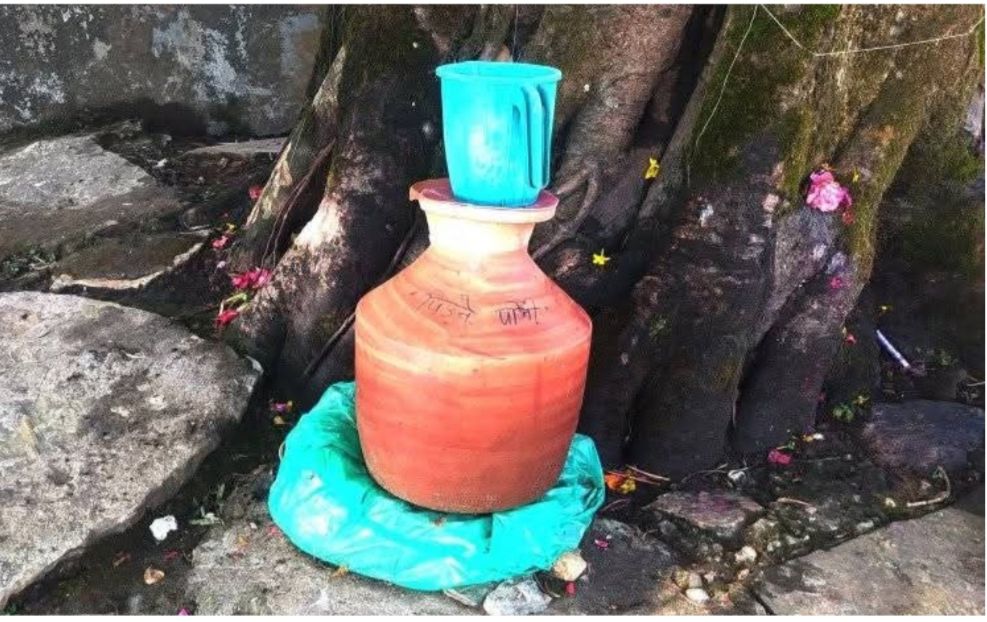
Ghainto is a traditional water pot, often made of clay, used to store drinking water.
Lamjung, 5 May: Until a few years ago, the hill villages of Lamjung were dotted with patis, pouwas, and dharamshalas along the trails. It was a common tradition to build resting places—under trees, on ridges like Deurali Danda, or in memory of deceased loved ones—so that travelers could rest during their journey. People believed that constructing chautaras and placing honey water or drinking water in ghaintos during the hot months of Chaitra and Baisakh brought religious merit.
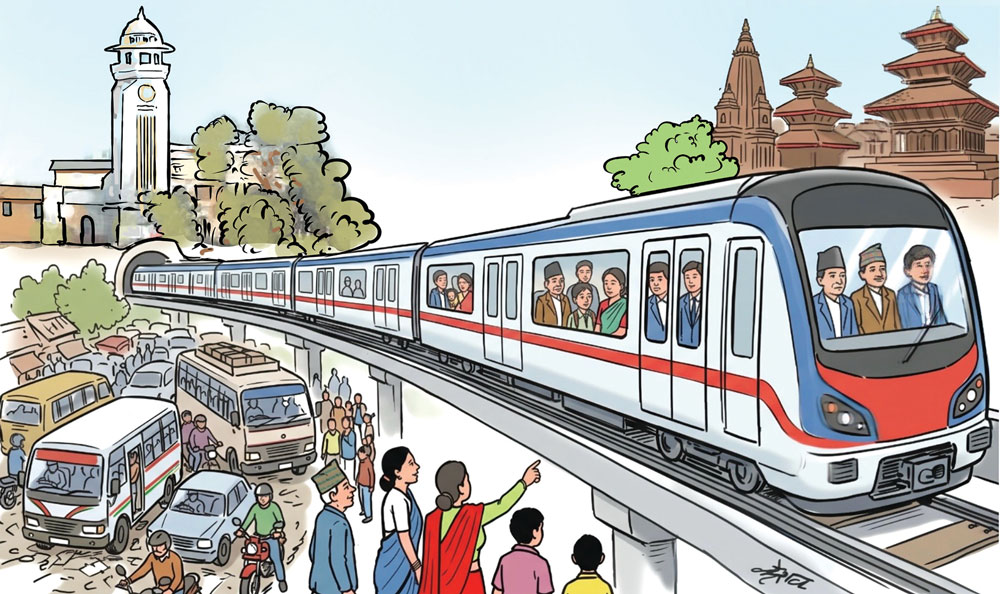
But now, these have become part of history. At best, only ruins remain in a few places. In recent times, such structures are no longer being built, and those that once existed have been neglected and fallen into disrepair. With the expansion of roads, these historically and culturally significant patis, pouwas, and dharamshalas have gradually disappeared.
Buddhiman Shrestha, an 82-year-old resident of Shrimanjyang, Dordi Rural Municipality–3, said,“Until a few years ago, there were no motor roads in the village. Every house had people, and there was a strong belief in religious and cultural practices. But now, motor roads have reached every village, and the traditional footpaths once used for travel or during community labor (melapat) are no longer in use. As the younger generation pays little attention to such traditions, the practice of placing water in chautaras and ghaintos has disappeared.”
Unita Gurung from Harrabot, Rainas Municipality–8, added,“During the hot months of Chaitra and Baisakh (spring), it used to be considered a religious virtue to offer water in ghaintos at chautaras for thirsty travelers. Those who could afford it gave honey water, and those who couldn’t simply offered clean water. But that practice no longer exists today.”
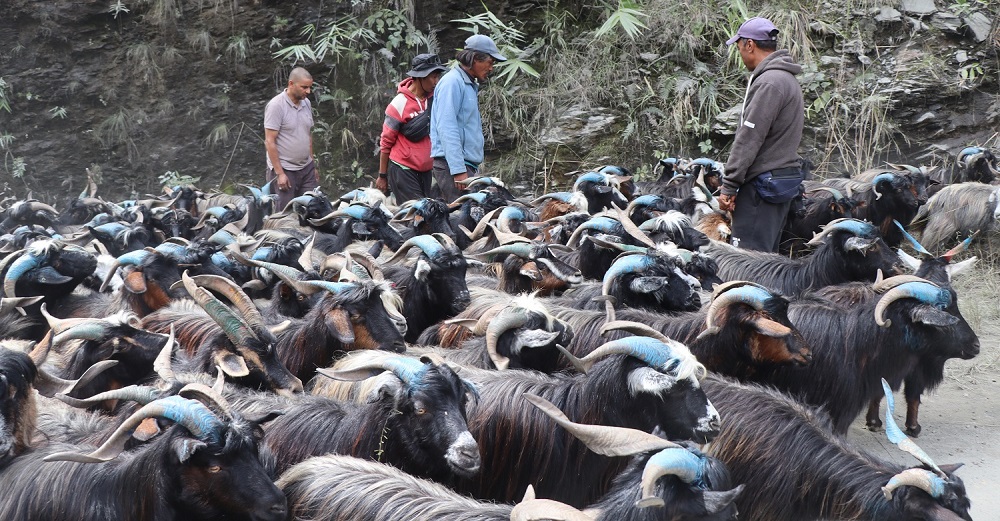
Ram Bahadur Karki from Khudi, Marsyangdi Rural Municipality–3, said,“The water kept in ghaintos at the chautaras used to be drunk by herders, travelers, farmers, and porters. But now, even in the month of Baisakh, the tradition of placing a ‘Dharma Ghada’ (sacred water pot) at chautaras has disappeared from the villages.”
He added that even the existing chautaras are no longer being maintained.
In an effort to preserve this traditional practice, Rishiraj Dawadi and his wife Sumitra Dawadi from Chiti Tilahar, Besisahar Municipality–11, have placed a clay pot filled with cool drinking water at a chautara.
Dawadi said they do this not only to keep the culture alive but also to teach the younger generation about its value.