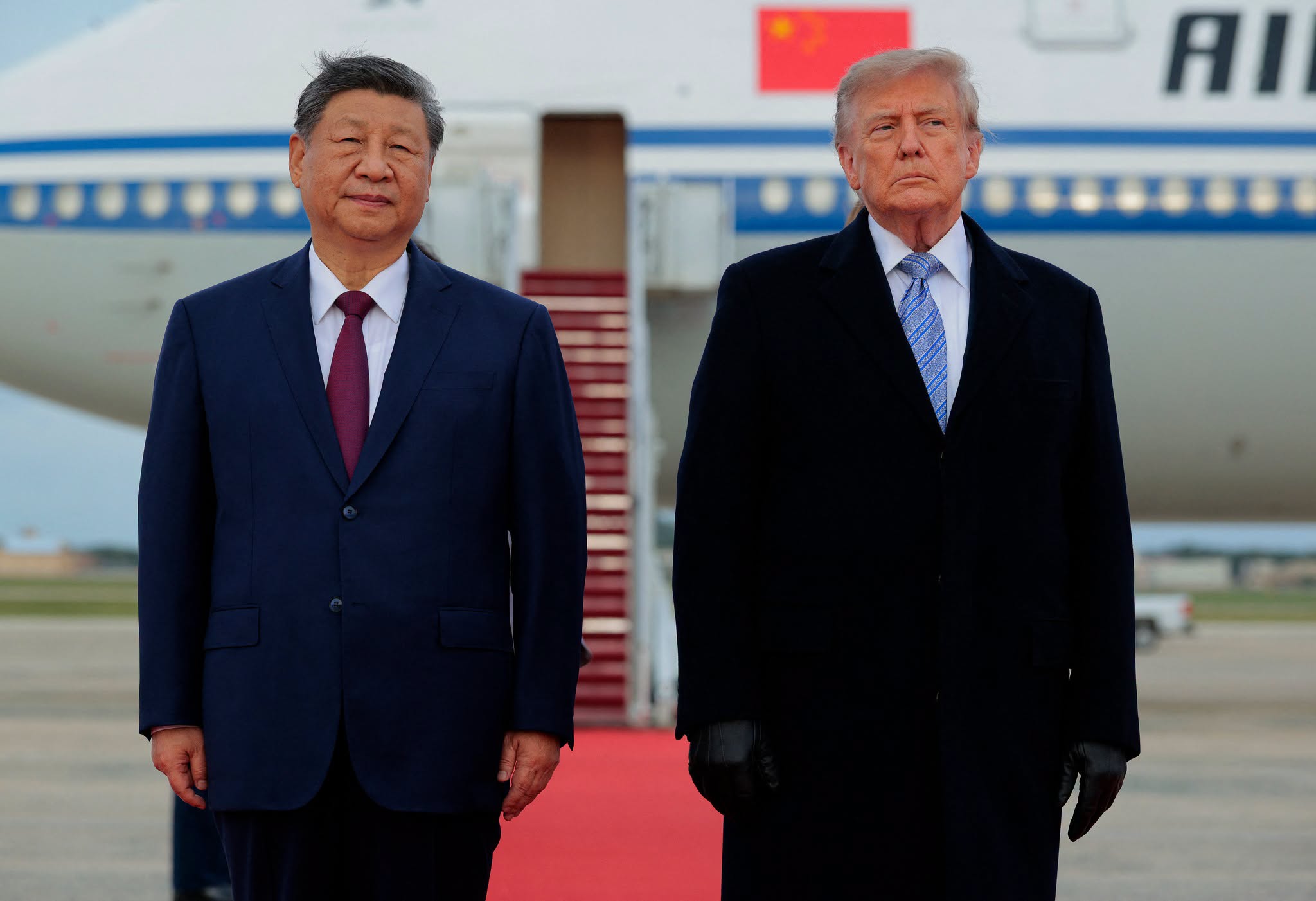
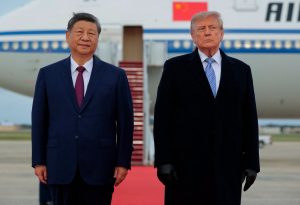
U.S. President Donald Trump has announced an additional 100 percent tariff on goods imported from China.
In a post on his Truth Social account, Trump declared that he would increase the existing 30 percent tariff by another 100 percent, bringing the total tariff on Chinese imports to 130 percent.
Trump stated that the increased tariffs would take effect from November 1, adding, “Starting November 1, an additional 100 percent tariff will be imposed on top of the current rates on all Chinese goods. We will also implement export controls on all types of key software,” he wrote.
Trump had launched a trade war with China at the beginning of his second term, imposing tariffs as high as 145 percent at that time. China retaliated with counter-tariffs of up to 125 percent, refusing to yield to U.S. pressure.
Eventually, both countries reached an agreement in Switzerland to reduce tariffs to 115 percent.
Rare Earth Export Tensions Trigger New Round of Conflict
According to CNN, Trump’s latest move came after China tightened its export restrictions on rare earth minerals a critical component in advanced technology and electric vehicles.
Initially, China had restricted only the export of these raw materials, but recently it introduced a new rule requiring special approval from the Ministry of Commerce even for the export of products made abroad using Chinese rare earth elements.
China’s Ministry of Commerce announced the decision in a statement on Thursday, saying the policy was aimed at protecting national security and interests.
While Beijing has not clarified how the new export restrictions will be implemented, Bloomberg reported that they resemble previous U.S. restrictions preventing Chinese companies from purchasing high-end chips and semiconductor manufacturing equipment.
A few months earlier, production at Ford’s Chicago plant was halted due to a shortage of rare earth magnets, threatening other U.S. automobile factories as well. This prompted Trump to hold a 90-minute phone call with Chinese President Xi Jinping on June 5.
Since then, several rounds of negotiations have taken place, bringing both nations close to a new trade understanding. Trump has repeatedly sought to meet Xi in person, and the two leaders are scheduled to meet at the Asia-Pacific Economic Cooperation (APEC) Summit in South Korea at the end of October.
Global Economic Impact and Uncertain Future
China’s latest tightening of rare earth exports just ahead of the APEC summit is seen by analysts as a strategic move to gain leverage in trade negotiations.
Trump’s decision to impose new tariffs effectively ends months of fragile trade truce between the two largest economies, reigniting tensions that could have serious repercussions for global markets.
Economic analysts have warned that Trump’s “arbitrary tariff policy” poses significant risks to the U.S. economy. The U.S. Supreme Court is expected to rule next month on whether the president has unrestricted authority to raise tariffs at will.
Unlike Trump, President Xi Jinping faces no such legal limitations.
Experts say the renewed trade war between the two economic superpowers is poised to become a major global economic challenge once again.