Kathmandu, 22 August: As the monsoon begins, Nepalis become alert to the risks of floods, landslides and inundation. But for many rural families, there is another silent disaster: snakebites, which claim hundreds of lives and leave families devastated every year. From farmers planting rice in the Terai to children sleeping on floors in dark rooms, people remain vulnerable to snakebites. A bite from a venomous snake can turn into a life-and-death situation within hours, yet the issue has still failed to receive adequate national attention.
This year’s figures highlight the seriousness of the problem. Since Baisakh 1, 2083, a total of 956 snakebite cases have been recorded across the country, with 66 deaths. During the same period, landslides claimed 43 lives and floods killed 20. The number of deaths from snakebites is therefore higher than the combined fatalities from floods and landslides.
In response to the growing threat, the National Disaster Risk Reduction and Management Authority has introduced the “National Action Plan for Preparedness and Response to Snakebite Prevention and Control, 2083.” Authority spokesperson Shanti Mahat said snakebite is increasingly being recognized not merely as a health issue but as a national challenge linked to public health, disaster management and socioeconomic development. According to the plan, 24 districts across six provinces are at high risk, with the Terai and Inner Terai particularly vulnerable.
Climate change, forest degradation, unplanned urbanization and expanding settlements are altering snake habitats and increasing contact between snakes and humans. The risk, once largely associated with the Terai, is now spreading into the hills as well.
Records covering the decade from 2073 to the end of Asar 2083 show that 301 people died and 1,401 were injured in snakebite incidents. A significant proportion of the victims were women and children, highlighting the social and gender dimensions of the problem.
Delayed Treatment Causes Deaths
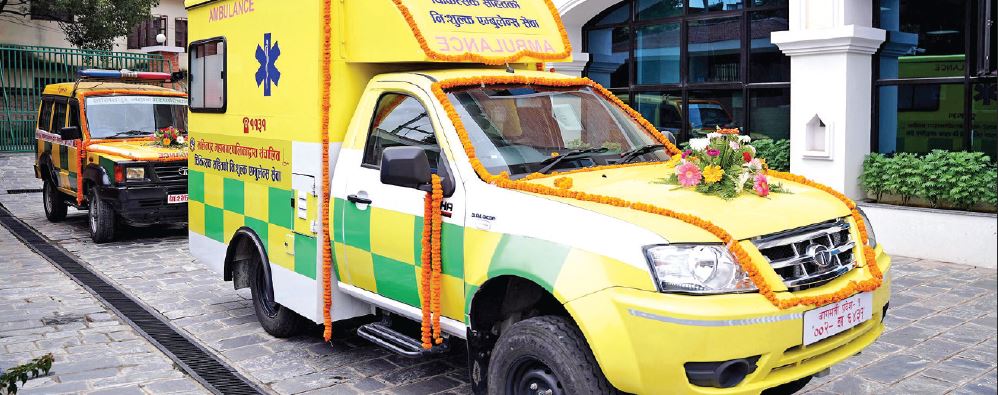
Experts say many snakebite deaths in Nepal occur not only because of venom but because treatment is delayed. Long distances to health facilities, limited availability of antivenom, shortages of trained medical personnel and weak emergency response systems remain major challenges. In some communities, continued reliance on traditional healing, faith healers and home remedies further delays medical treatment.
According to infectious disease specialist Dr. Sher Bahadur Pun of Teku Hospital, different snake venoms affect the body in different ways. Some interfere with blood clotting, while others attack the nervous system. Bites from cobras and kraits can cause nausea, difficulty opening the eyes, unconsciousness and eventually respiratory failure.
Not All Snakes Are Venomous
The Epidemiology and Disease Control Centre says not all snakes are poisonous, and most snakes found in Nepal are not dangerous to humans. Snakes generally bite only when they feel threatened.
Doctors advise people to remain calm after a snakebite, keep the affected limb as still as possible and immediately take the victim to the nearest health facility. Running, cutting the wound, sucking out blood, applying substances such as cow dung or seeking traditional treatment can increase the risk.
Rights activist Durgaprasad Dahal said snakebite has long been treated as a “rural problem,” but the new national action plan recognizes it as a shared public health and disaster-management concern.
With every monsoon, the danger returns. Timely treatment, adequate antivenom supplies, public awareness and effective preparedness could prevent most snakebite deaths. Without them, however, this silent disaster will continue taking lives while remaining overshadowed by floods and landslides.