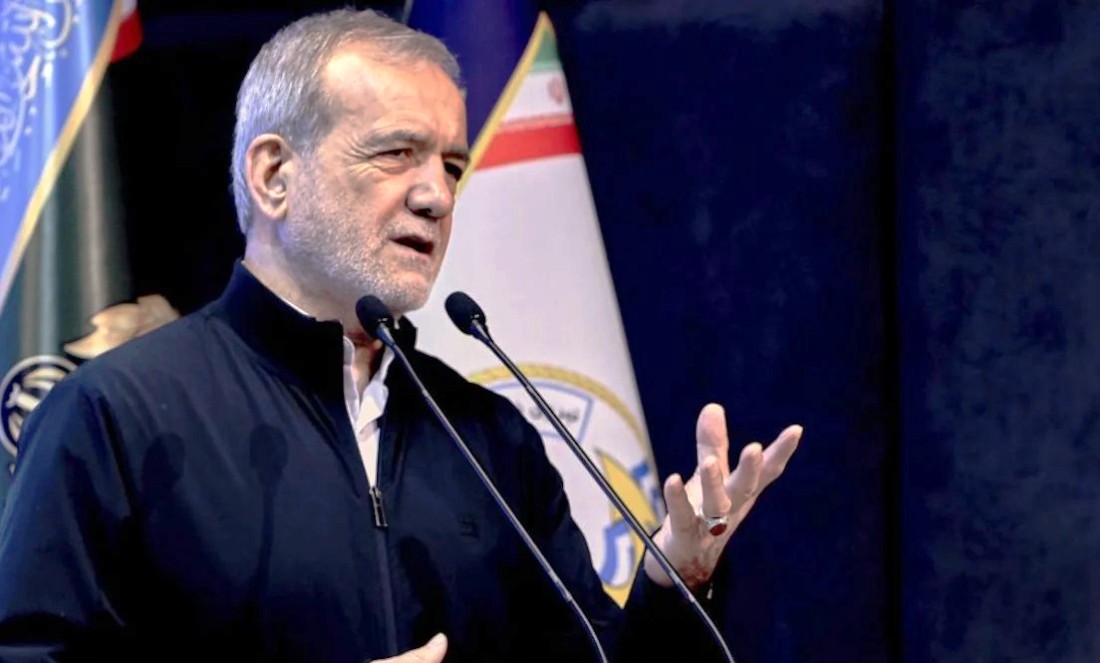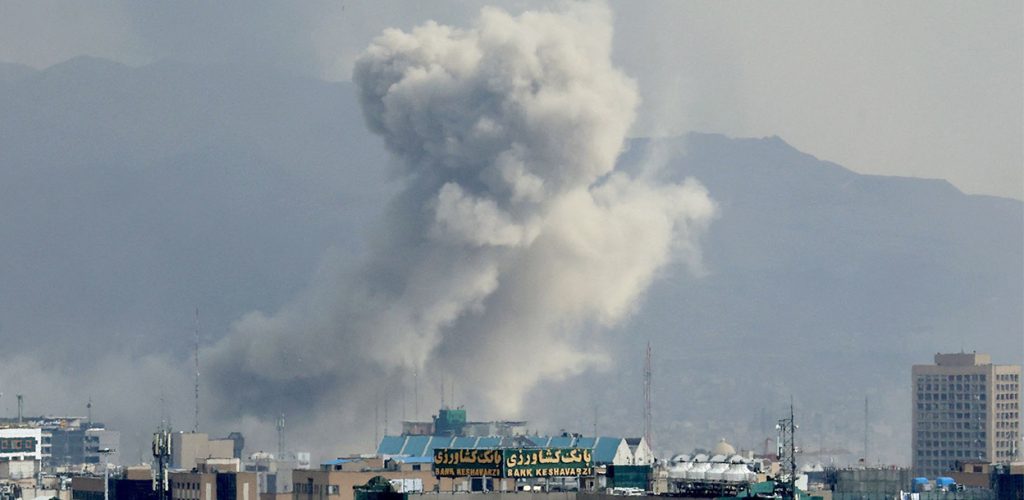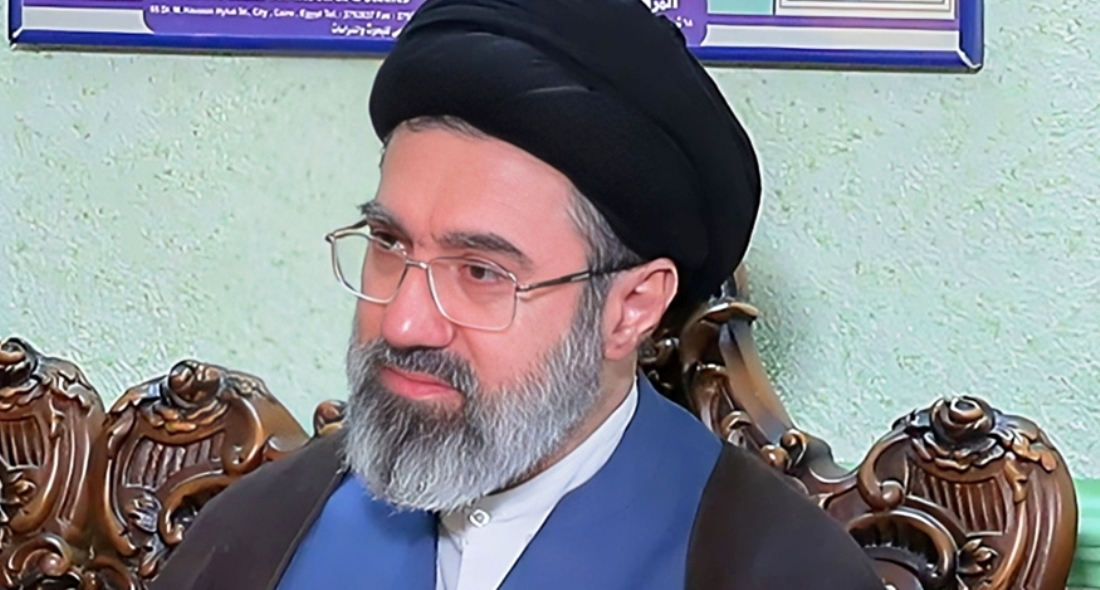
Amid growing uncertainty over Iran’s leadership, international media have reported that Supreme Leader Mojtaba Khamenei is undergoing treatment in the city of Qom due to a serious health condition. It is claimed that he is unconscious and unable to participate in state decision-making processes.
A report published Tuesday by The Times cited intelligence assessments based on diplomatic memos, stating that Khamenei’s condition is critical. The memo is said to be based on confidential information shared with regional partners of the United States and Israel in the Gulf.
According to the report, Khamenei is currently receiving treatment and is not in a position to be involved in any governance decisions. The memo also reportedly revealed his exact location for the first time.
It is further reported that the National Security Agency is also aware of the situation. Contact was also made with Iran’s representation in Washington, which is said to operate through its embassy in Pakistan.
Since the conflict began in West Asia, Khamenei has not appeared in public. However, messages issued in his name continue to be broadcast through Iranian state media.
Meanwhile, the same report mentioned that funeral preparations have begun in Qom in anticipation of Khamenei’s possible death, although this has not been officially confirmed.
Amid these developments, U.S. President Donald Trump has issued a strong warning to Iran. He said that if an agreement is not reached by 8:00 PM Tuesday (Eastern Time), the country’s infrastructure could face serious consequences.
Speaking to reporters at the White House, Trump described the situation as a “critical period.” According to him, Iran had been given a 10-day extension after requesting more time, and the deadline is now approaching.
“They have until tomorrow, and then we will see what happens,” he said. “If no deal is reached, they will have no bridges, no power plants, and the situation will become much worse.”
Trump also stated that although he initially had to deal with a strong Iran when the conflict began on February 28, the situation has now changed. He criticized previous U.S. administrations for not taking timely action and said that the current strategy, though delayed, is necessary.
“We have been dealing with them for 47 years,” he said. “If action had been taken earlier, the situation could have been different, but even now we are making necessary decisions.”
This development indicates increasing complexity in Iran’s internal leadership, regional politics, and international relations.
(Source: RSS, ANI)