Kathmandu, 30 May: Tourism entrepreneurs have expressed enthusiasm over a new budget provision that opens the way for Indian tourists visiting Nepal to bring in up to INR 425,000 in cash. They have welcomed the move, saying the government is finally responding to a longstanding demand of the industry.
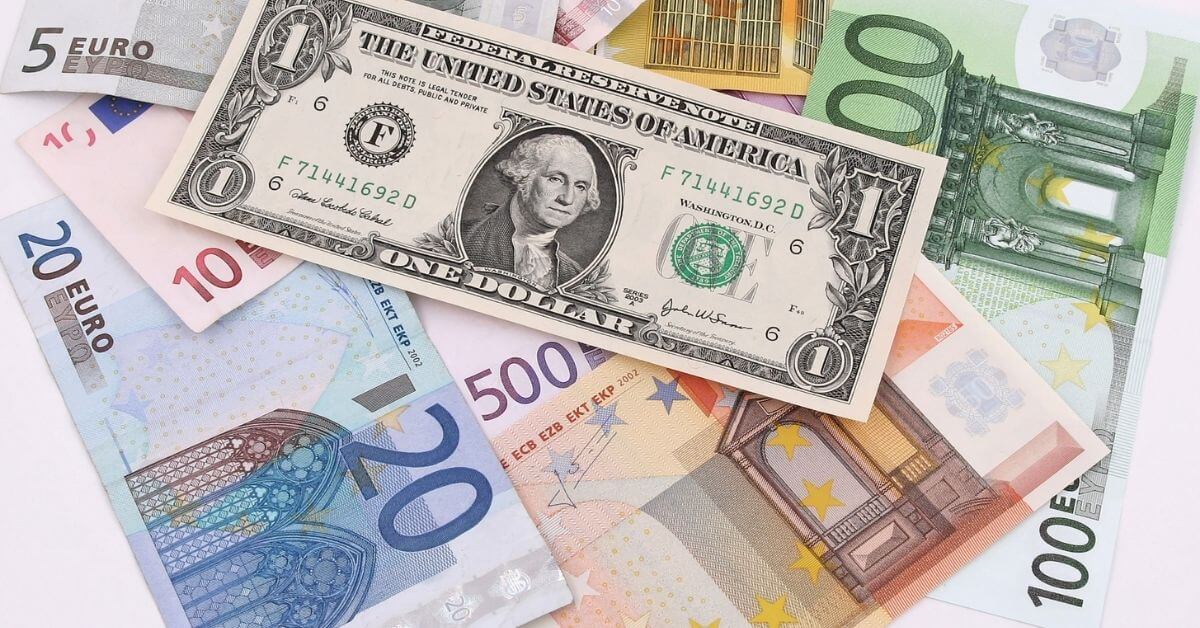
In Clause 405 of the budget for the fiscal year 2082/83 (2025/26), Finance Minister Bishnu Prasad Paudel announced that travelers entering Nepal via air or land will now be allowed to bring foreign currency or traveler’s cheques equivalent to USD 5,000. Amounts exceeding this limit can also be brought in, provided they are self-declared, with the process being made more convenient.
“The budget states that travelers entering Nepal by air or land will be allowed to bring up to the equivalent of USD 5,000 in foreign currency or traveler’s cheques that can be exchanged in Nepal, and amounts exceeding that can be brought in with a declaration at the customs checkpoint, with the process to be further facilitated.”
While the USD 5,000 limit was already in place earlier, according to officials from the Customs Department and the Ministry of Finance, this provision has been introduced specifically with Indian tourists in mind.
Although citizens of other countries were previously allowed to bring foreign currency equivalent to USD 5,000, travelers entering Nepal from India via land routes did not have access to this facility until now.
This provision expands the current limit of INR 25,000, making it easier for Indian tourists to bring up to the equivalent of USD 5,000 (approximately INR 425,000 or NPR 680,000).
The announcement has generated significant excitement among tourism entrepreneurs, who expect a notable increase in both the arrival and spending of Indian tourists.
Indian visitors to Nepal are traditionally drawn to religious destinations such as Pashupatinath, Lumbini, and Janakpur, as well as leisure destinations like Pokhara and Chitwan. However, the previous limit of INR 25,000 had significantly restricted their ability to spend.
“We had been requesting the removal of this restriction for a long time. Now the government has said it will be simplified. Its implementation will have a significant impact,” said five-star hotel operator Ichchhya Wagle. “It will not only benefit the border areas, but also increase the number of tourists coming to Kathmandu.”
Wagle runs the Ichchha Hotel in Bhairahawa, and said that this provision would greatly support the arrival of religious and recreational tourists.
“This move will be very useful in boosting religious and leisure tourism in Nepal,” he added.
Tourism entrepreneurs believe that the number of Indian tourists visiting destinations like Pashupatinath, Lumbini, Janakpur, Pokhara, and Chitwan will significantly rise. They expect this to stimulate local markets directly.
The policy is expected to increase spending in hotels, restaurants, transport, and local markets. Shashikant Agrawal, operator of Marriott Hotel, also welcomed the move, calling it a step forward in promoting tourism.
“The INR 25,000 limit was outdated. Allowing Indian citizens to bring more cash into Nepal will make it easier for them to do business, shop, and engage in other activities, which will have a direct positive impact on Nepal’s economy,” he said.
According to him, this change could have multi-dimensional effects on Nepal’s economy. Since tourists would no longer need to buy Indian rupees by selling U.S. dollars, it would help preserve Nepal’s foreign currency reserves.
However, there are implementation challenges.
According to Bhaskar Gyawali, former Executive Director of the Nepal Rastra Bank, this provision was based on long-standing demands from tourism entrepreneurs and the central bank.
“Before India imposed the INR 2,500 limit, the dollar limit was $2,000. Later, the dollar limit was raised to $5,000 and that stayed in place,” he said.
Still, further policy steps are needed to make this practical.
“For real facilitation in Indian currency, India must also make compatible legal provisions. Under FEMA (Foreign Exchange Management Act), India must issue a gazette notification specific to Nepal and Bhutan. To ensure effective cash flow, India would also need to allow high-denomination notes like INR 500 and INR 2,000 to be brought into Nepal,” he added.
While the process may be complex, he said, it is only possible through coordination and agreement between the two central banks — Nepal Rastra Bank and the Reserve Bank of India.
Tourism entrepreneurs have urged the government to implement this facilitation as soon as possible. They believe this will not only increase Indian tourists’ spending capacity but also positively impact Nepal’s foreign currency reserves and trade deficit management.