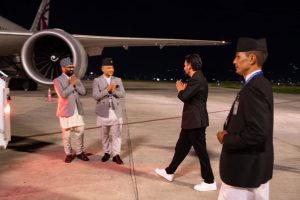
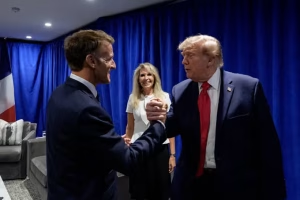
Indian Prime Minister Narendra Modi and Chinese President Xi Jinping during the Shanghai Cooperation Organization (SCO) summit in Tianjin, China, has assumed special significance in diplomatic circles.
The two leaders’ relationship was warmer this time than last year’s meeting in Kazan. The meeting is seen as a conscious attempt to balance relations at a time when both India and China are facing a “tax war” and unilateral policies from US President Donald Trump.
The impact of Trump’s policies
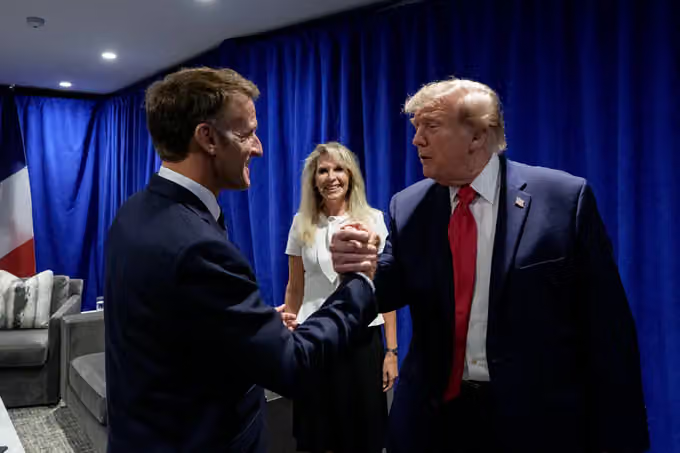
US President Trump has imposed additional tariffs on India. The move is seen as ‘punishment’ for buying cheap oil from Russia. US policies appear to be increasingly pushing India towards Eurasian forums, where the US has no presence.
“At a time when India-US relations are on the verge of a breakdown due to Trump’s policies, this strategy is understandable. However, it may only bring short-term benefits.”
Talk of peace on the border, hope for trade
Prime Minister Modi presented the need for peace and stability on the border as both a sign of friendship and a warning. The talk of peace on the border and the continuation of talks was presented as major progress.
On the economic front, there were discussions on reducing the trade deficit and increasing trade. Although these talks did not yield any concrete results, it sent a political message that India is ready to trade with China if India’s concerns are addressed.

The importance of ‘image’ in diplomacy
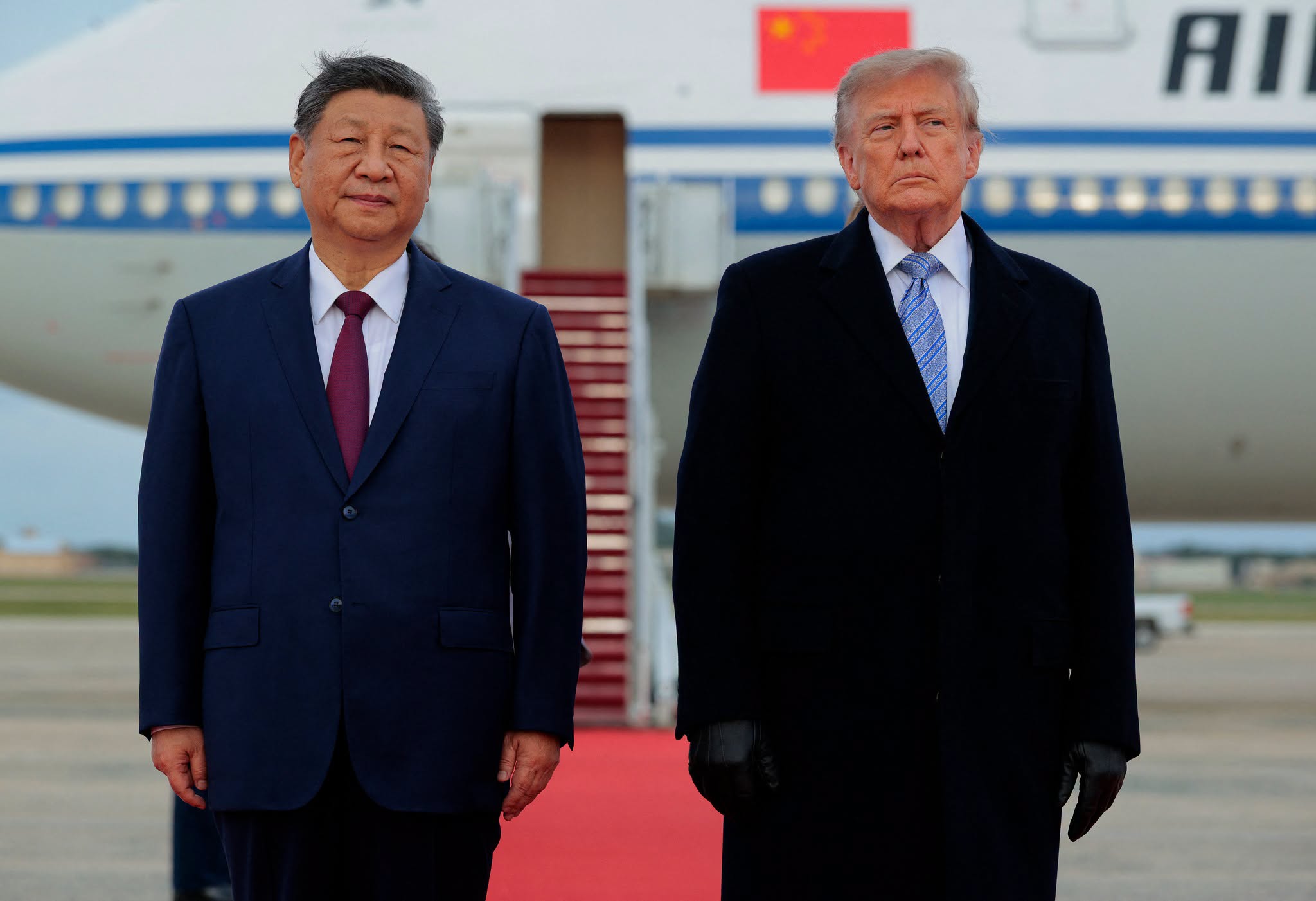
In diplomacy, images are often as important as actual outcomes. When Prime Minister Modi, Xi Jinping and Vladimir Putin appeared together on stage in Tianjin, the image held deep symbolic meaning.
This was a crucial time for India. Just days earlier, Trump had imposed tariffs of up to 50 percent on Indian exports, which a US court had declared “unlawful” but would remain in place until the case went to the Supreme Court. In such a situation, Modi’s presence alongside Xi Jinping and Putin, who are the targets of US sanctions and pressure, was a powerful message in itself.
Importance of SCO
For India, the SCO is a platform where Russia, China, Central Asian countries and even Iran come together. Former foreign secretary Kanwal Sibal has called it a “major diplomatic balancing act rather than a strategic shift.”
“What’s the other way around? Dealing with China will remain India’s biggest strategic challenge for decades to come,” says Delhi-based analyst Happy man Jacob.
The SCO, which began with six countries, has now grown to a grouping of ten members, two observers, and 14 dialogue partners, representing the world’s largest geographical area and population.

Is there a world outside of America?
Are Modi’s participation in the SCO summit and Putin’s proposed visit to Delhi the beginning of another order free from American influence? Not at all. India is still deeply dependent on the US for defense, technology and investment.
But the tone has changed. Modi is more balanced than ever and refusing to be confined to any set framework. Analysts believe the message of this visit to the US is that India has options and cannot be swayed.
Ultimately, while history will remember Donald Trump as a president who alienated his friends and accelerated America’s decline, Modi will be remembered as a leader who kept doors open, engaged with even his adversaries, and preserved India’s independence in a world where no power was subservient.