India–South Asia Relations Face Growing Strain
Kathmandu, 25 Aug: Regional diplomacy in South Asia is witnessing fresh challenges as India’s relations with its neighboring countries appear to be under increasing strain. Despite being the largest democracy and economy in the region, India’s ties with several South Asian nations have faced hurdles due to political, economic, and security differences.
Observers note that unresolved border disputes, trade imbalances, water-sharing issues, and differing strategic alignments have contributed to friction. Relations with Nepal, Sri Lanka, and Bangladesh have seen ups and downs in recent years, while tensions with Pakistan remain constant. At the same time, India’s growing alignment with global powers such as the United States has further reshaped the regional balance, sometimes sparking unease among its neighbors.
Analysts believe that South Asia, home to nearly two billion people, requires deeper cooperation in areas such as trade, climate change, migration, and security. However, without stronger trust and diplomatic engagement, the region risks missing opportunities for collective growth.
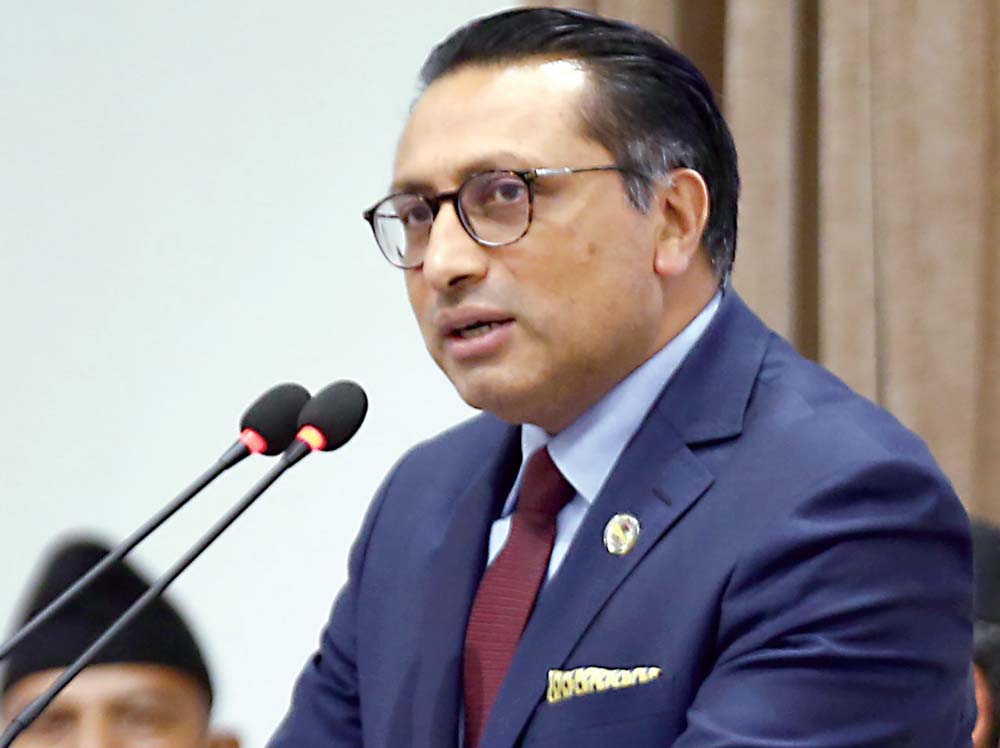
UML Deputy General Secretary and former Foreign Minister Pradeep Gyawali has said that it will be difficult to develop fair, problem-free, cordial, mutually respectful and trusting relations between Nepal and India until the dispute over Lipulek is resolved.
He said that there is a tendency in big countries to look beyond their own interests. He said that although they are happy that relations between these countries have improved, as good neighbors of both China and India, Nepal, its geographical integrity and sovereignty cannot pay the price for improving relations.
Gyawali said that India’s recent role has raised the question of how it wants to shape its relations with its neighbors. He said, “India is the largest country in South Asia. It is a regional power. It also seems to have aspirations to become a world power in the future. A country that is moving forward by raising its profile worldwide should first ‘review’ how it will have relations with its neighbors.”
He said that India has problems in its relations with all the countries of South Asia, big and small, and gave the example of India’s relations with Pakistan, Maldives, Sri Lanka, and Bangladesh, which are not harmonious.
India–Nepal: Border and Trust Issues
India and Nepal share centuries-old cultural, religious, and economic ties. Yet, relations have faced turbulence, especially after Nepal published a new political map in 2020 including territories of Kalapani, Lipulek, and Limpiyadhura—areas also claimed by India. Border management, unequal trade balance, and perceptions of Indian interference in Nepal’s domestic politics have added to mistrust. Despite frequent high-level visits, the relationship remains fragile.

Nepal’s territories Kalapani, Limpiyadhura and Lipulek
Nepal has strongly objected to the recent agreement between India and China to conduct trade through Lipulek, a territory claimed by Nepal. The deal was reached during the Chinese Foreign Minister’s visit to India earlier this month.
The Government of Nepal, along with major political parties and the general public, has voiced unified opposition, stating that the agreement disregards Nepal’s sovereignty and territorial integrity. Demonstrations and official protests have highlighted Nepal’s longstanding claim over Kalapani, Limpiyadhura, and Lipulekh.
In response, the Indian government issued a statement asserting that the disputed areas are part of Indian territory. New Delhi further argued that Nepal’s protests, based on what it described as “emotional claims,” were not justified.
The controversy has once again fueled tensions between Nepal and India, with analysts warning that unresolved border disputes could strain bilateral relations further.
India–Bangladesh: Water and Migration Disputes
Ties between India and Bangladesh have been largely cooperative in trade and connectivity, but disputes over water-sharing—particularly of the Teesta River—have created friction. Bangladesh also expresses concern over India’s National Register of Citizens (NRC) and Citizenship Amendment Act (CAA), fearing it could push migrants across the border. These unresolved issues test the goodwill between the two nations.
Former Prime Minister Sheikh Hasina fled to India on August 5, 2024, aboard a military helicopter amid massive student-led protests against her regime. She remains in self-imposed exile in India, facing multiple charges in Bangladesh, including alleged crimes against humanity.
The interim government in Bangladesh, led by Nobel laureate Muhammad Yunus, has formally requested her extradition from India to face these charges.
India–Sri Lanka: Political and Economic Sensitivities
India has been a key partner in Sri Lanka’s economic recovery, especially after its 2022 financial crisis. However, relations are complicated by Sri Lanka’s growing closeness to China. Infrastructure projects funded by Beijing and the docking of Chinese research vessels at Sri Lankan ports have raised concerns in New Delhi. Balancing influence in Colombo remains a strategic challenge.
India–Pakistan: Persistent Rivalry
The most difficult relationship for India remains with Pakistan. Territorial disputes over Kashmir, frequent border clashes, and accusations of cross-border terrorism dominate ties. Despite occasional peace initiatives, trust between the two nuclear-armed neighbors remains minimal, making long-term reconciliation uncertain.

In Pahalgam-An attack in April 2025 by Pakistan-based militants led to the deaths of 26 tourists and a pony-rider, causing a major crisis between nuclear-armed rivals India and Pakistan. The subsequent escalation, including an Indian military response called “Operation Sindoor,” brought the two nations to the brink of a larger conflict.
The Regional Outlook
South Asia, with nearly two billion people, stands at a crossroads. While India is seen as the natural leader of the region, its assertive policies and the rise of China’s influence create friction. Analysts stress that without genuine cooperation on shared concerns—such as trade, climate change, migration, and security—the region risks missing opportunities for collective development.