China has officially rolled out a new visa program, known as the “K Visa”, designed to attract foreign scientific and technological talent. The policy, which came into effect on Wednesday, is being described as part of Beijing’s strategic plan to position itself as a global leader ahead of the United States in the fields of science and technology.
The initiative was first announced in August and is now being implemented at a time when the United States has introduced costly and restrictive changes to its skilled worker visa categories. Analysts say China’s move directly contrasts Washington’s tightening of opportunities for international professionals, signaling a global competition to secure the best minds in technology and research.
Easier Entry and Greater Flexibility
According to Chinese state media, the K Visa is expected to make immigration procedures significantly more convenient. The People’s Daily wrote that while “some countries are neglecting international talent, China is seizing the opportunity and introducing this policy without delay.”
Unlike many other visa categories, applicants for the K Visa do not need to secure an invitation or sponsorship from a Chinese employer or institution beforehand. This makes the process more accessible to foreign professionals who want to explore opportunities in China on their own terms.
The Xinhua News Agency further explained that the K Visa would offer multiple entry benefits, extended validity, and longer permitted stays compared to existing visa types. While the target group has been identified as “young foreign scientific and technical talent,” the exact criteria regarding age, education, and work experience have not yet been specified.
Visa holders will be allowed to engage in education, cultural exchanges, scientific research, technology projects, entrepreneurship, and business activities in China, highlighting the country’s ambition to become a hub for innovation and global knowledge exchange.
A Contrasting U.S. Approach
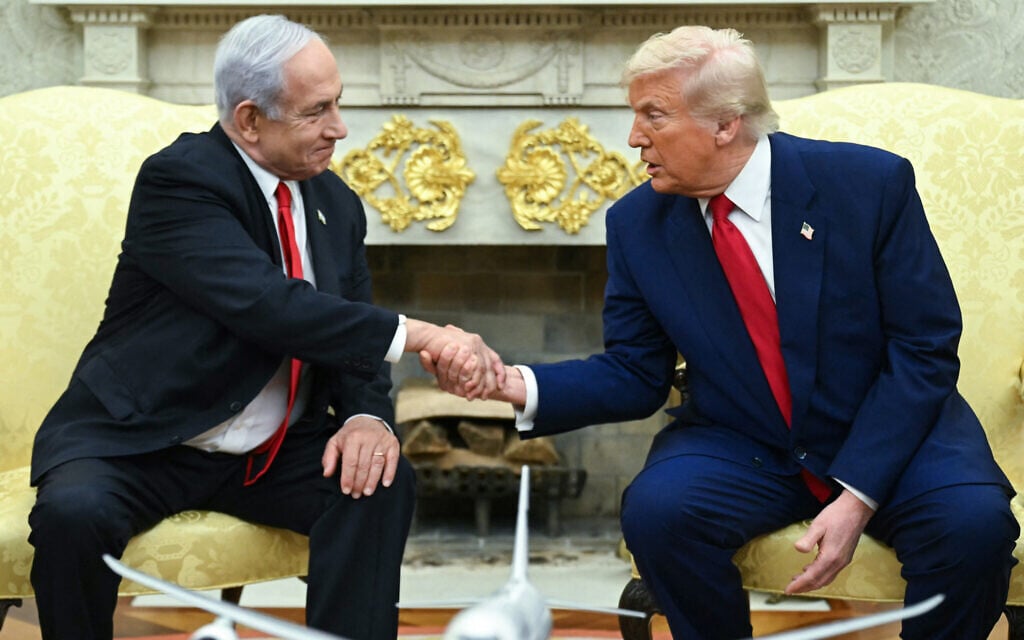
Meanwhile, in the United States, the Trump administration has triggered frustration within the technology industry by unexpectedly tightening rules around the H-1B visa program. This visa has long allowed American companies to sponsor highly skilled foreign workers, such as scientists, engineers, and computer programmers, for up to three years.
Under the new policy, however, companies must now pay nearly $100,000 in fees for each sponsored worker, a drastic increase that critics argue will discourage innovation and talent acquisition. Historically, nearly three-quarters of H-1B visas have gone to Indian professionals, who now face steeper barriers to entry into the U.S.
In response to concerns that China’s K Visa could trigger mass immigration, The People’s Daily dismissed such rumors, declaring: “There will be no so-called immigration crisis. We have cultural confidence.”
A Growing Global Race for Talent
China’s new visa initiative highlights an intensifying global competition for top scientific and technical talent. While the U.S. imposes new restrictions, China is presenting itself as an attractive alternative for ambitious young professionals seeking opportunities.
If successfully implemented, the K Visa could reshape the global landscape of innovation by drawing researchers, engineers, and entrepreneurs toward China’s fast-growing technology ecosystem.