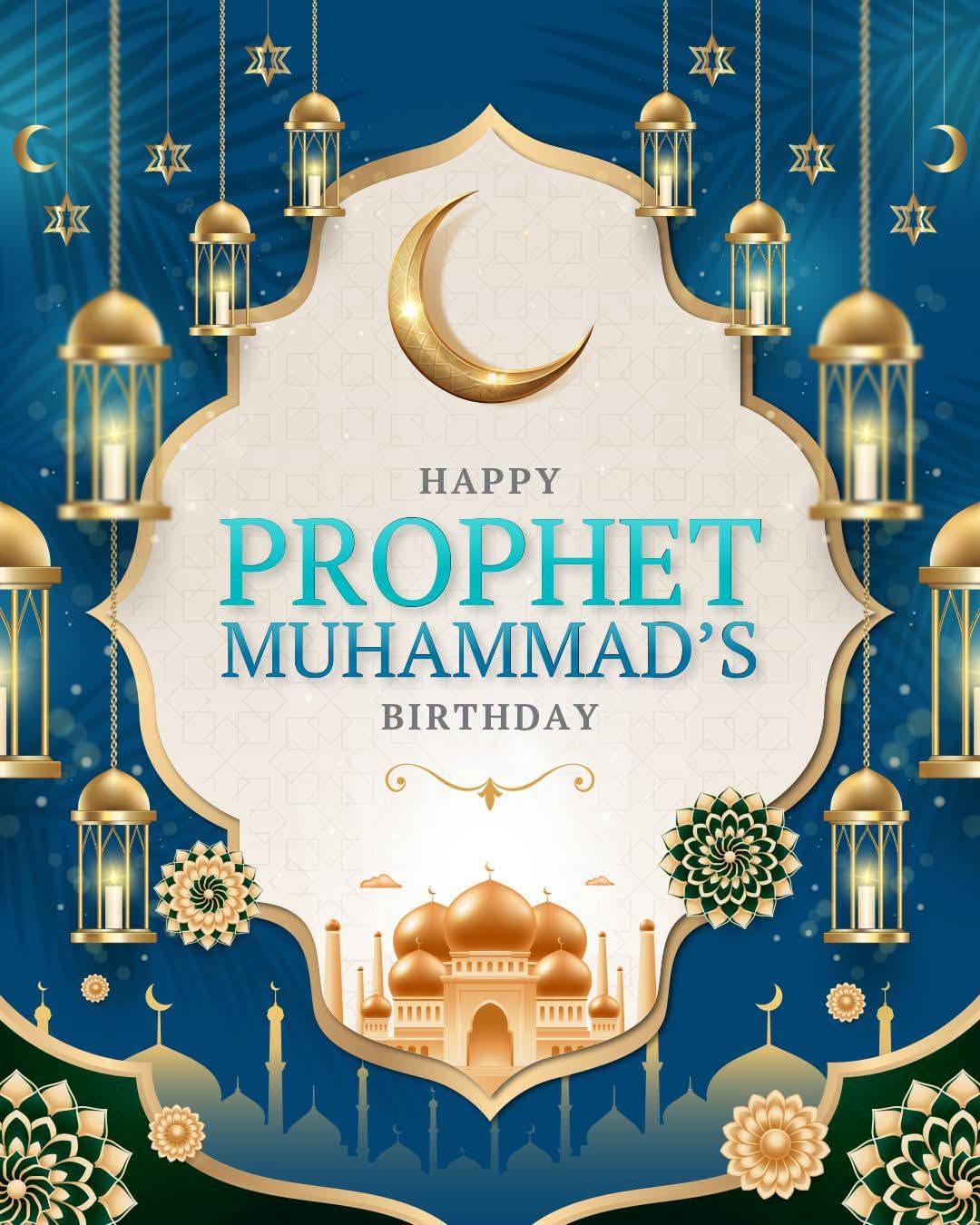
Kathmandu, 26 August: The 1,501st birth anniversary of Prophet Muhammad, regarded by Muslims as the final messenger of Islam, is being observed across Nepal on Wednesday with various religious and cultural programs.
Muslims consider Prophet Muhammad as the messenger and guide of the Islamic faith. He was born in Mecca, in present-day Saudi Arabia, and later migrated to Medina. The Islamic calendar, known as the Hijri calendar, began 53 years after his birth. The Hijri year 1448 is currently being observed.
Mecca and Medina have been regarded as sacred places since ancient times. According to Islamic belief, Mecca was an important pilgrimage site even before the rise of Islam, when people from different religious traditions visited the area for worship. Muslims believe that the Quran was revealed to Prophet Muhammad while he was delivering his teachings and spreading the message of Islam.
Following the revelation of the Quran and the emergence of Islam, Mecca gradually became the most important religious center for Muslims. Jerusalem, which is also considered a holy city in Islam, had earlier held a particularly important place in Islamic worship. Today, Mecca and Medina remain the two most significant holy cities for Muslims around the world.
Muslims consider it an important religious duty to perform Hajj, the pilgrimage to Mecca, at least once in their lifetime if they are physically and financially able to do so. The pilgrimage is one of the five pillars of Islam and holds deep spiritual significance for the Muslim community.
On the occasion of Prophet Muhammad’s birth anniversary, Muslims remember his teachings, life and contributions to the development and spread of Islam. Religious gatherings, rallies, prayers and other programs are being organized in different parts of Nepal to mark the occasion.
Special programs are being held at several prominent mosques, including the Nepal Jame Masjid and Kashmiri Jame Masjid. Muslim community members are participating in these events to commemorate the Prophet’s life and teachings and to promote religious devotion, peace and harmony.