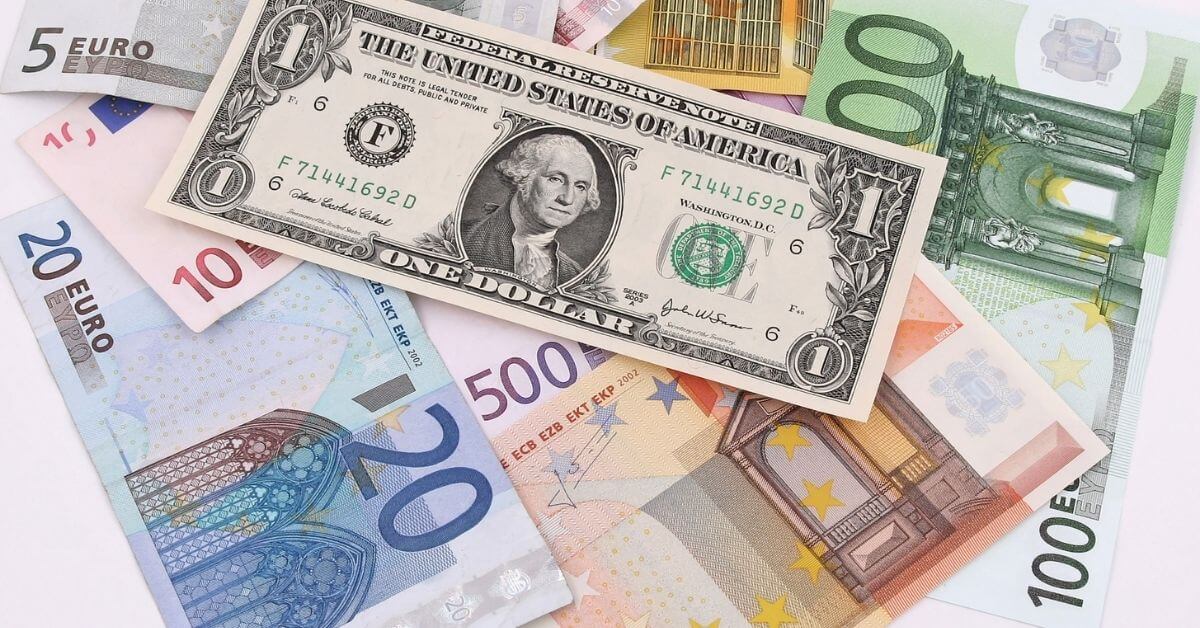
The U.S. and China are nearing common ground on a potential trade deal, but a key disagreement persists—the American demand that China stop buying oil from Russia and Iran, AP reported on August 4.
Following talks in Stockholm, China’s Foreign Ministry rebuffed U.S. tariff threats, asserting that Beijing will determine its energy imports based on national interests.
“Pressure and coercion will get nowhere,” the ministry said. “China will firmly safeguard its sovereignty, security, and development interests.”
The timing of Beijing’s statement is particularly significant, the Associated Press noted, as both the U.S. and China had recently expressed cautious optimism and a willingness to compromise in pursuit of stabilizing their trade relationship. The response from China reflects growing confidence in its ability to adopt a firmer stance against the Trump administration, particularly on sensitive matters like energy strategy and foreign policy.
U.S. Treasury Secretary Scott Bessent, quoted in the report, acknowledged China’s firm position on sovereignty, especially regarding Russian oil. “The Chinese are very serious about their sovereignty,” Bessent remarked. “We don’t want to infringe on that, so they’d rather pay 100% tariffs.”
Meanwhile, Gabriel Wildau, managing director at Teneo, questioned whether President Trump would ultimately follow through on the threatened tariffs. Enforcing them, he warned, would likely undo recent progress and derail any chance of announcing a trade deal during a potential summit between Trump and President Xi Jinping in the fall.
Daniel Russel, a senior fellow at the Asia Society Policy Institute, added that Beijing currently views itself as having the upper hand. He noted that Trump’s desire for a “headline-making deal” with Xi suggests that China’s refusal to reduce oil imports from Iran and Russia may not be a deal-breaking issue—even if it further strains diplomatic ties.
Daniel Russel further observed that President Xi Jinping’s continued imports of Russian oil demonstrate his “strategic solidarity” with Russian leader Vladimir Putin, while also providing China with significant cost advantages. He emphasized that Beijing cannot easily abandon Russian and Iranian oil, given its strategic importance and the heavily discounted rates at which China is purchasing it.
According to the Associated Press, the United States is actively seeking to limit oil revenues for both Russia and Iran, citing Moscow’s ongoing war in Ukraine and Tehran’s financial support for militant groups in the Middle East.
On July 14, former President Donald Trump issued a warning that the U.S. would impose 100% tariffs and secondary sanctions on countries continuing to purchase Russian oil if Moscow failed to reach a peace agreement with Ukraine within 50 days. Just two weeks later, on July 28, Trump shortened that deadline, threatening secondary tariffs on Russian oil buyers unless visible progress was made.
The following day, on July 29, Treasury Secretary Scott Bessent revealed that he had cautioned Chinese officials about the imposition of new, severe tariffs should China persist in buying sanctioned Russian oil.