Threats by Donald Trump to strike Iran’s power plants and bridges if Tehran does not reopen the Strait of Hormuz by Tuesday night have sparked widespread fear among Iranians. While many worry about the immediate consequences, some believe the continuation of the current regime poses an even greater danger.
Eyewitnesses speaking to Iran International said they are highly concerned about potential disruptions to electricity and water supplies, warning that such outages could severely impact daily life—especially for vulnerable groups.
“We fear attacks on energy infrastructure. Losing power and water would make already difficult living conditions much worse,” said one resident of Tehran.
Others pointed to the human cost, particularly for patients dependent on medical care. “If electricity is cut, many sick people could lose their lives. Target the regime, not the infrastructure,” another individual said.
Some also cautioned that attacking power facilities could ultimately benefit authorities. “I urge the US and Israel not to strike power plants. The Revolutionary Guards might exploit the suffering of ordinary people,” one message read.
Concerns have grown further following reports that officials encouraged civilians to gather near sensitive locations, including power plants—effectively using them as human shields.
Trump condemned such actions, calling them “totally illegal” in comments reported by NBC News.
Despite these fears, a number of Iranians expressed that they view the survival of the Islamic Republic as a more serious threat than potential strikes.
“We are afraid of attacks, but we are more afraid of the regime staying in power,” one person said. “If it remains, repression and executions will continue. We are willing to endure hardship for change.”
Another added, “Power and water outages are terrifying—but the continuation of this system is even more frightening.”
Growing concerns over infrastructure attacks
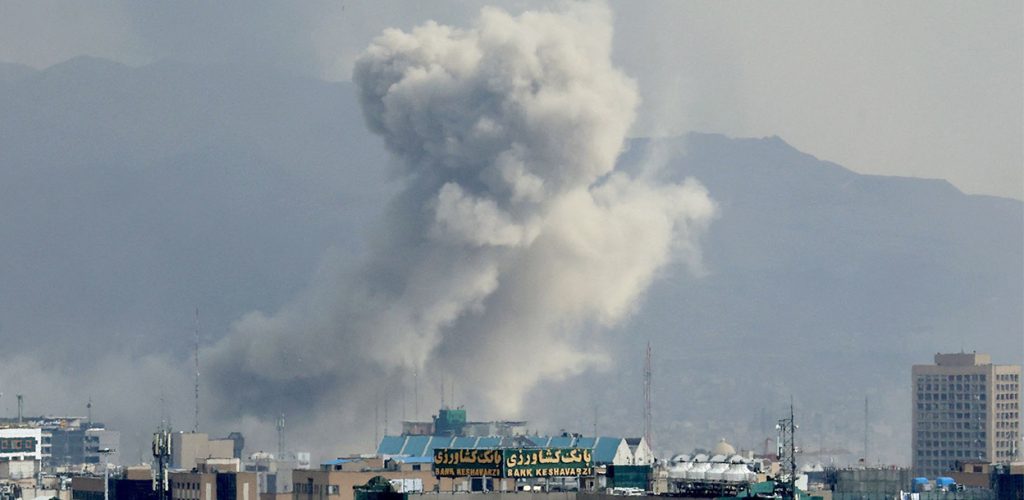
Recent reports indicate that key elements of Iran’s economic infrastructure have already been targeted. Electricity and utility facilities connected to major industries in cities like Shiraz and Asaluyeh have reportedly been hit multiple times.
Even the Bushehr Nuclear Power Plant—which is monitored by the International Atomic Energy Agency and used for civilian energy—has come under threat. Although no major damage has been confirmed, residents remain worried about possible radiation risks.
As a precaution, health authorities in Bushehr have distributed around 180,000 iodine tablets to local residents.
Several academic and research institutions, including the Pasteur Institute of Iran, have also reportedly been targeted.
For many citizens, these attacks are seen not as weakening the government, but as damaging national resources and the country’s future.
Fear of power plant destruction
Among all concerns, the possibility of strikes on power plants has caused the greatest alarm.
Experts and citizens warn that destroying electricity infrastructure could cripple hospitals, disrupt water systems, and break down food supply chains, potentially leading to widespread job losses.
“If power is lost, patients in intensive care units, newborns, and those undergoing surgery could die,” one person warned, highlighting the chain reaction affecting medicine storage, fuel distribution, and banking systems.
Others spoke about the psychological impact. “Even thinking about a complete blackout causes anxiety,” one message read, noting that prolonged outages would worsen an already fragile situation.
Still, some residents argued that years of mismanagement have already weakened infrastructure. “Did we ever have stable electricity and water under this government?” one asked. “We will endure difficulties until change comes.”
Blame on leadership
Opposition voices say the root of the crisis lies with Iran’s leadership and its policies.
They argue that while infrastructure strikes are harmful, the current system represents a deeper, long-term threat.
“What matters most to me is the end of the Islamic Republic,” one person said. “Our real strength was our young generation, and we have lost them.”
Others expressed a willingness to accept years of hardship if it leads to lasting political change.