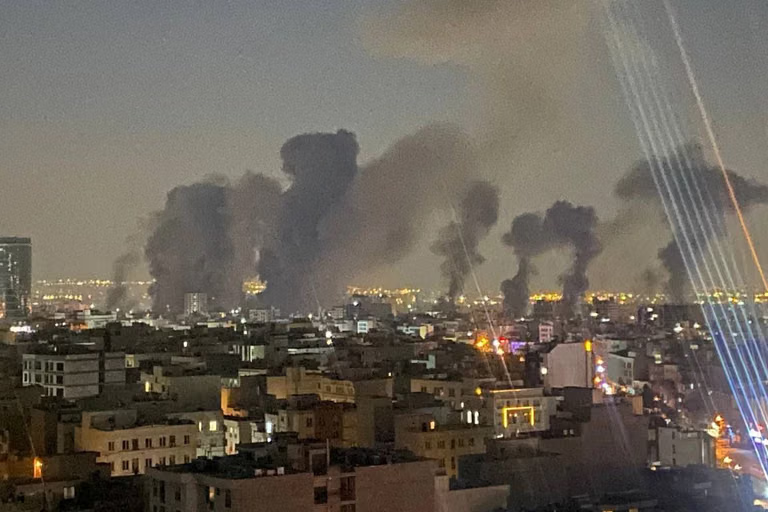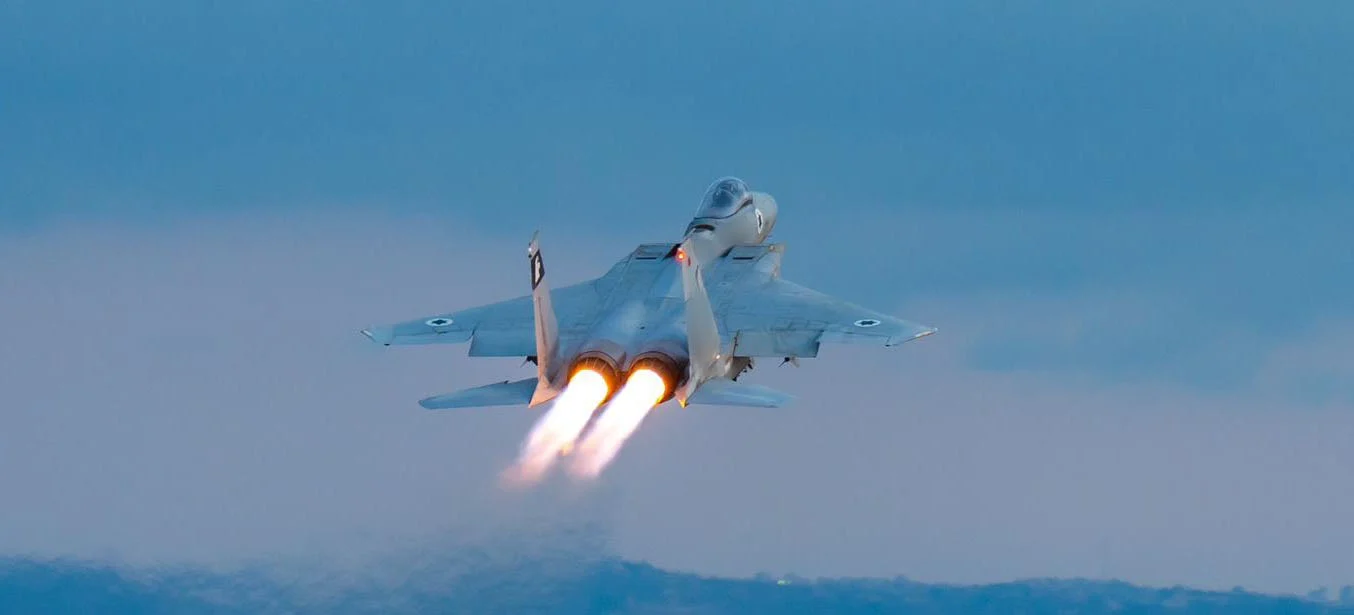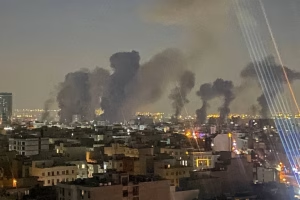
Tehran- Iran has warned that any renewed military attack by the United States or Israel would trigger a broader retaliation, even as diplomatic efforts to ease tensions between Tehran and Washington gain momentum through Qatari and Pakistani mediation.
Iran’s Supreme Leader Mojtaba Khamenei and the country’s top military commander issued fresh warnings on Saturday, ordering military officials to expand the list of potential American and Israeli targets.
The warnings came amid intensified diplomatic efforts by Qatar and Pakistan to broker an agreement between Iran and the United States. Meanwhile, reports suggest that US President Donald Trump is considering renewed military action against Iran following Tuesday’s US midterm elections.
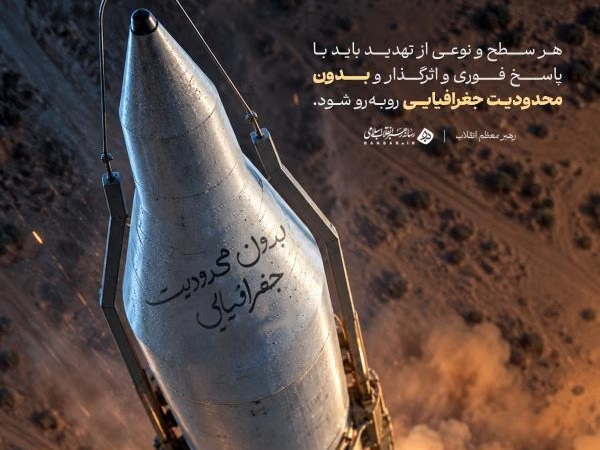
Speaking after a meeting with senior military commanders, Khamenei called for “maximum deterrence” and said threats of any kind or scale must be met with an immediate and effective response without geographic limitations.
He also instructed military commanders to update their target list to include a wider range of American and Israeli assets, both physical and non-physical, within the reach of Iran’s armed forces.
Iran’s armed forces Chief of Staff, General Abdolrahim Abdollahi, echoed the warning, saying the military was preparing a new list of targets covering a broader geographic area. He warned that Iran’s response to any attack would be “unimaginable” to its adversaries.
The Wall Street Journal reported this week that US Central Command chief Admiral Brad Cooper had briefed Trump on possible military options involving Iran.
The newspaper also reported that Washington had warned regional allies to prepare for the possibility of a short but intense resumption of hostilities after the November 3 midterm elections.
Earlier, Axios reported that the Pentagon had instructed US Central Command to complete preparations for possible renewed military operations against Iran.
Regional Powers Urge Restraint
The possibility of another military confrontation has raised serious concerns among regional powers.
Speaking at a security forum in Bahrain on Saturday, Saudi Deputy Foreign Minister Waleed ElKhereiji said countries across the region wanted peace to be restored, although the outcome of ongoing mediation efforts remained uncertain.
Egyptian Foreign Minister Badr Abdelatty also warned that another round of fighting would be “more dangerous, more destructive” and would lead nowhere.
Meanwhile, Iranian Foreign Minister Abbas Araghchi said on Saturday that Tehran was reviewing proposals concerning its nuclear programme. He also confirmed that an Iranian delegation had travelled to Qatar for further consultations.
Araghchi described Washington’s efforts to reopen diplomatic dialogue as a “positive step.” However, he said Iran had no immediate plans to meet US officials.
He added that any resumption of negotiations would depend on Iran’s conditions being met.
Despite growing diplomatic engagement, Tehran’s latest military warnings indicate that tensions remain high, with the possibility of renewed confrontation continuing to concern countries across the Middle East.