Sanaa- Yemen’s Iran-backed Houthi leadership has warned of further escalation in its confrontation with Saudi Arabia, saying the group has moved beyond making demands and is now prepared to take action under what it described as a new policy of “blockade for blockade, escalation for escalation.”
Mahdi al-Mashat, head of the Houthis’ Supreme Political Council, made the remarks Sunday in a speech marking the 12th anniversary of the group’s takeover of Yemen’s capital, Sanaa. His comments were reported by the Telegram channel of the Houthi-run presidency.
Al-Mashat said the Houthis would intensify their response to what they described as a Saudi blockade of Yemen. He warned that the group’s future actions could take increasingly severe forms and said the Houthis were prepared to continue their confrontation despite the potential costs.
“Our options will escalate, God willing, and take more painful forms, and we will not retreat from our rights even if we pay with our lives,” al-Mashat said.
The Houthi leader listed several demands, including an end to what the group characterizes as Saudi restrictions on Yemen, the reopening of airports and ports, the restoration of Yemen’s natural and economic resources, and compensation from Saudi Arabia.
At the same time, al-Mashat sought to distinguish the Houthis’ position toward Saudi Arabia from their approach to maritime traffic in the Red Sea and Bab el-Mandeb, a strategically important waterway connecting the Red Sea with the Gulf of Aden.
He said international maritime navigation and commercial trade in the Red Sea and Bab el-Mandeb would remain safe and would not face a threat from Yemen, while making an exception for what he called Saudi enemy vessels.
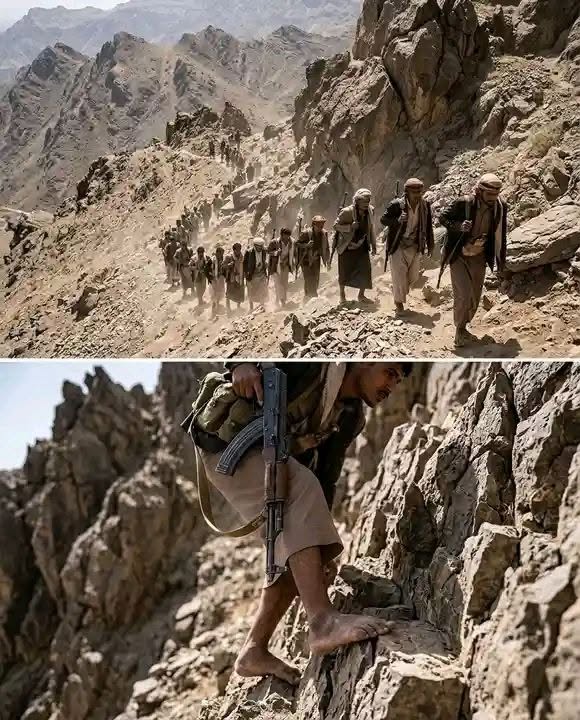
The statement comes against the backdrop of years of conflict between the Houthis and a Saudi-led military coalition that intervened in Yemen’s civil war. The conflict has caused extensive destruction and a severe humanitarian crisis, while regional tensions have repeatedly raised concerns about the security of shipping routes in and around the Red Sea.
Al-Mashat also rejected Saudi accusations that Houthi forces had targeted Mecca. He said Yemen had no territorial ambitions or hostile intentions toward neighboring Arab and Muslim countries.
The Houthi leader maintained that the group’s confrontation was directed at what it considers specific Saudi actions against Yemen rather than at Arab or Muslim states generally.
His remarks nevertheless signal a continued hardening of rhetoric toward Saudi Arabia and underline the potential for further tensions between the two sides. Any escalation could also have wider implications for regional security and commercial shipping through the Red Sea, one of the world’s important maritime trade corridors.