Kathmandu, 16 Sep: The devastation caused by the Bhotekoshi glacial flood in Nepal has resonated with leaders from around the world. On Bhadra 10 (August 26), a massive section of the Langtang Lirung mountain in Rasuwa broke away and plunged downward, triggering a catastrophic glacial flood along the Bhotekoshi River and causing widespread destruction in Nepal.
The disaster has affected the lives and livelihoods of citizens from 35 countries, alongside Nepali nationals. While governments remain concerned about locating and accounting for their citizens, world leaders have also expressed solidarity with Nepal as the country grapples with the disaster. The tragedy has been raised in the parliaments of several countries, while leaders in others have spoken publicly about Nepal’s suffering. Some have even visited the Nepali embassies in their respective countries to sign condolence messages. From national parliaments to social media platforms, expressions of solidarity from world leaders have increasingly been directed toward Nepal and its people.
According to former Foreign Secretary Dr. Madan Kumar Bhattarai, Nepal has received particularly strong international support during this disaster. Nepal also experienced a devastating catastrophe in 2015, when a major earthquake struck the country. Bhattarai believes the stronger international response this time is partly linked to Nepal’s improving political character.
“The greater support shown by world leaders this time is also a reflection of Nepal’s improving political character,” he said. He argued that the government’s prompt response to the disaster and the confidence among friendly countries that assistance would be properly utilized have contributed to the international response.
“This time, friendly countries have not merely expressed solidarity through words; they have opened their hearts and extended concrete support to the government,” Bhattarai said. “To maintain this trust in the long term, the government must also demonstrate the same effectiveness in the rehabilitation and reconstruction of affected communities.”
As he noted, on the 13th day after the glacial flood, national flags at many embassies representing Nepal’s friendly countries were lowered to half-mast in mourning. Several world leaders called Prime Minister Balendra Shah to express solidarity with Nepal. Some countries also sent foreign-minister-level representatives to Nepal.
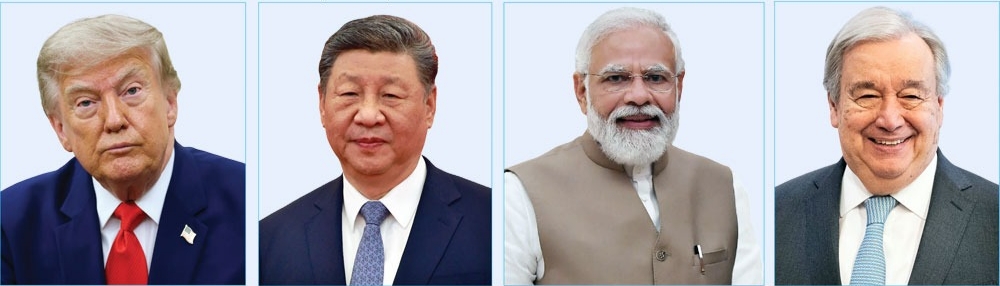
U.S. President Donald Trump spoke publicly about the devastation caused by the Bhotekoshi flood. Referring to video footage showing the destruction in Nepal, Trump said the scenes were extremely frightening and that the United States, which has maintained longstanding friendly relations with Nepal, was ready to provide whatever assistance Nepal needed.
U.S. Secretary of State Marco Rubio also called Rastriya Swatantra Party Chairman Rabi Lamichhane to offer condolences and reiterated the United States’ readiness to provide assistance.
India, Nepal’s southern neighbor, convened an emergency meeting at its Ministry of External Affairs soon after the glacial flood struck and began planning assistance. On the first day, Indian Prime Minister Narendra Damodardas Modi called Prime Minister Balendra Shah and assured him that Nepal was not alone in its time of suffering.
Chinese President Xi Jinping sent a condolence message to Nepali President Ram Chandra Paudel, expressing deep sorrow over the disaster. He highlighted the shared vulnerability of the two countries, which are connected by mountains and glaciers, and stressed the importance of standing by each other in times of tragedy. Chinese Premier Li Qiang also sent a condolence message to Prime Minister Balendra Shah, pledging all possible assistance.
Australian Prime Minister Anthony Albanese first called Prime Minister Shah and later raised the issue of support in the Australian Parliament. Japanese Prime Minister Sanae Takaichi also called Shah and expressed solidarity with Nepal during the crisis.
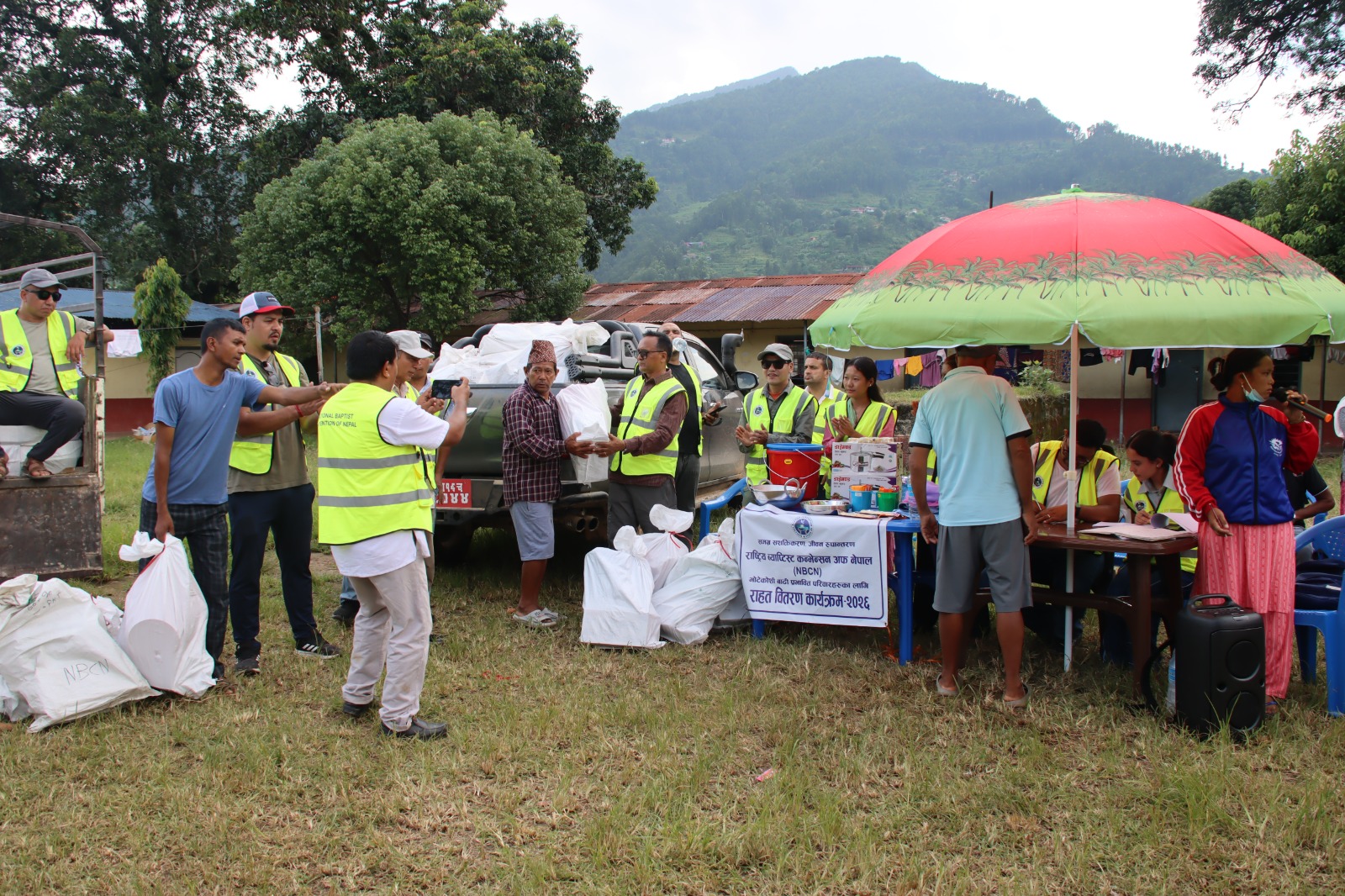
Britain’s Minister for Indo-Pacific Affairs, Rosie Winterton, arrived in Nepal carrying substantial relief assistance. South Korean Foreign Minister Cho Hyun also visited Nepal. Both officials travelled to areas affected by the disaster, accompanying their countries’ relief and support efforts.
In Bangladesh, Parliament observed a one-minute silence to pay tribute to those who lost their lives in the Bhotekoshi glacial flood. It also played Nepal’s national anthem as a gesture of solidarity with the Nepali people, followed by prayers and the adoption of a condolence motion.
Pakistan’s Prime Minister Shehbaz Sharif declared his solidarity with Nepal and sent relief materials by air. Bhutanese King Jigme Khesar Namgyel Wangchuck also expressed his condolences and sent assistance, saying he stood with Nepal in its hour of grief. Support and assistance also arrived from the governments of Sri Lanka, the Maldives and Afghanistan.
United Nations Secretary-General António Guterres said the disaster was linked to the increasing impact of climate change in Nepal’s mountainous regions. He also expressed strong support for Nepal’s call for climate justice, reinforcing the country’s position that nations most vulnerable to climate change should receive greater international support.