Kathmandu, 24 August: The Family Welfare Division has urged the public to remain alert and take preventive measures against Japanese encephalitis (JE), a mosquito-borne disease, as the number of infections and deaths continues to rise across the country.
According to the latest report from the Family Welfare Division under the Department of Health Services, 80 laboratory-confirmed cases of Japanese encephalitis have been reported in 59 local levels across 25 districts. In a statement issued today, the division said that 86 percent of the confirmed patients had not received the JE vaccine.
So far, 21 people have died from the disease, and all of the deceased were found to be unvaccinated against Japanese encephalitis. The highest number of cases has been reported in Jhapa with 10 cases, followed by Kailali and Morang with seven each, Saptari and Kanchanpur with six each, and Chitwan, Sunsari and East Nawalparasi with five each.
Although Japanese encephalitis cases are mainly concentrated in the Terai and Inner Madhesh regions, infections have also been confirmed in hill districts, including Ilam, Kavrepalanchok, Kathmandu, Sindhuli and Surkhet, according to the report.
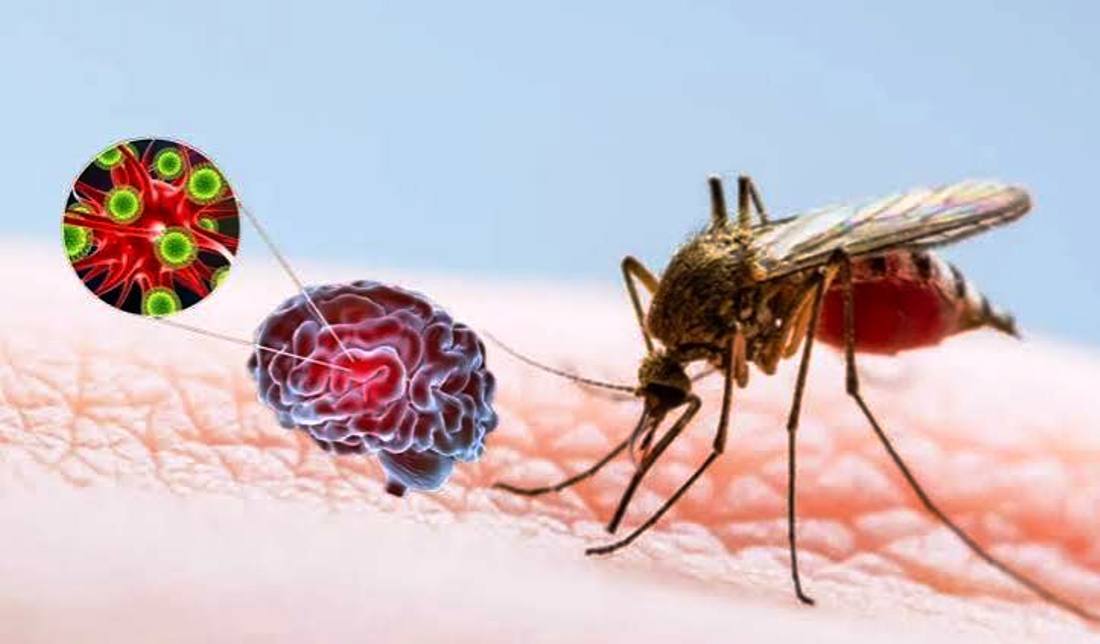
Japanese encephalitis is primarily transmitted through the bite of infected Culex mosquitoes. According to the Department of Health Services, infections are particularly common among people living in areas with rice fields and pig farming. Mosquitoes can transmit the virus to humans after biting infected animals such as pigs, wild boars and ducks.
Health officials say Japanese encephalitis can be a serious and potentially fatal disease. Statistics indicate that one out of every three people who develop Japanese encephalitis may die, while another may survive with long-term disabilities or neurological complications.
The Family Welfare Division has urged people not to waste time on home treatment if symptoms such as high fever, severe headache, loss of consciousness, seizures or changes in consciousness appear. Patients showing such symptoms should be taken immediately to the nearest health facility for medical treatment.
Of the 80 confirmed cases reported this year, 51 patients, or 64 percent, were aged above 15. People aged over 50 accounted for 81 percent of the deaths. Among the confirmed cases, 43 were male and 37 were female.
Health authorities have emphasized that vaccination and protection against mosquito bites are the most effective ways to prevent Japanese encephalitis. The government routinely provides the JE vaccine to children at 12 months of age. Children who miss the scheduled vaccination can receive the vaccine up to the age of five.
Dr. Abhiyan Gautam, chief of the Child Health and Immunization Section under the Family Welfare Division, said vaccination is essential to protect children from the disease and urged those who have missed their vaccination to get vaccinated as soon as possible.