National Thami Museum – Suspa Rangrangthali, Dolakha
The National Thami Museum is located at Suspa Kshamawati, Rangrangthali, Ward No. 1 of Bhimeshwor Municipality in Dolakha District, Nepal. This site is regarded as the ancestral homeland of the Thami community, where Rangrangthali holds historical and cultural significance as the place of origin of the Thami people.Dolakha District, situated in Bagmati Province of Nepal, covers a total geographical area of 2,191 square kilometers.
Climate: The district experiences an average temperature ranging from 8°C to 19°C, with an average annual rainfall of approximately 2,043.5 mm. Topography: About 35% of the area consists of high Himalayan regions, 40% of high hills, and 25% of mid-hill terrain.
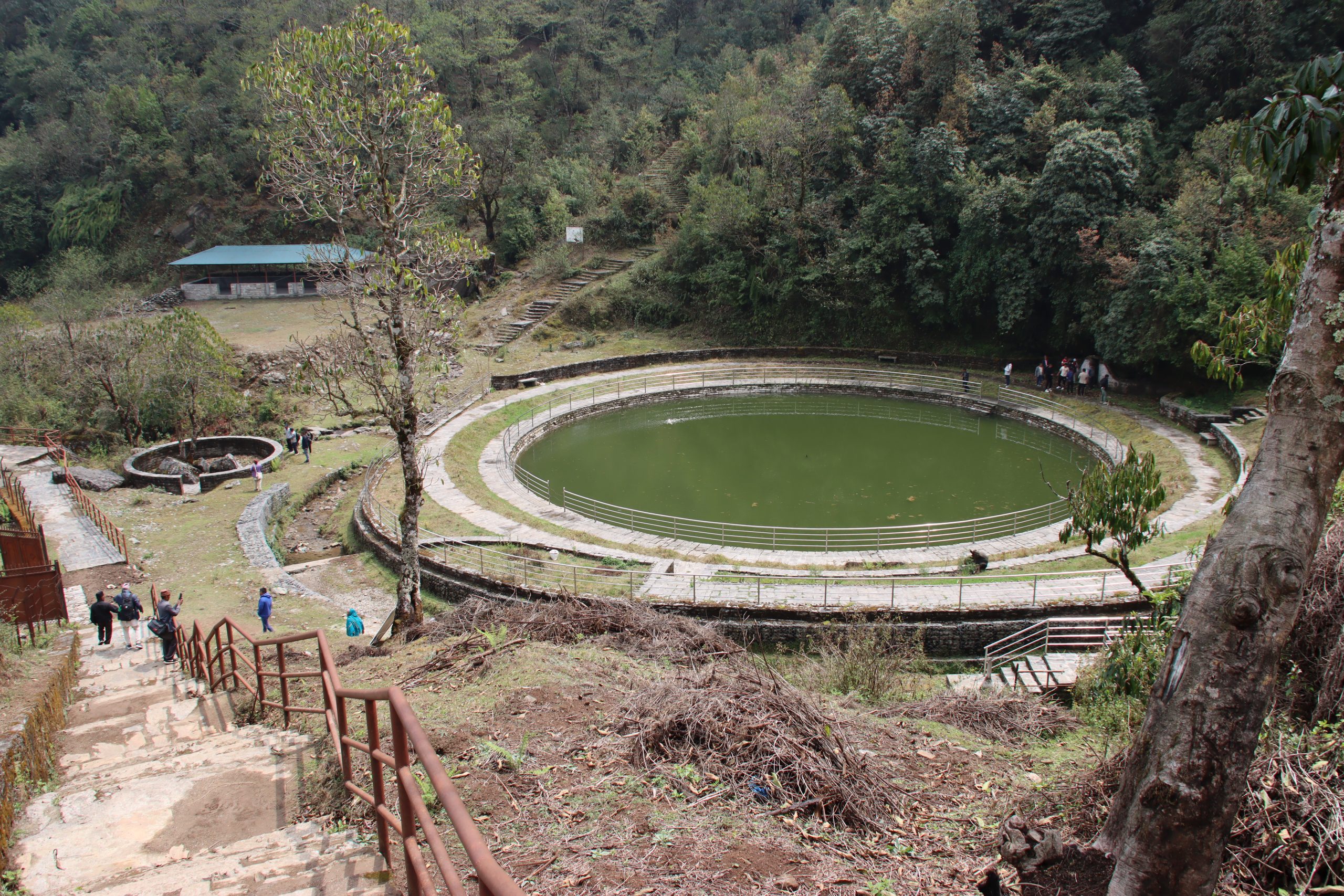
The journey between Dolakha Bazaar (a historic town within Bhimeshwor Municipality) and Suspa Kshamawati (formerly a Village Development Committee, now Ward No. 1) is short yet rich in natural beauty and cultural importance. The Suspa area is locally known in the Thami language as Rangrangthali, a scenic cultural and museum destination representing the Thami community. Geographical Location and DistanceDistance: Approximately 3.5 to 5 kilometers from Dolakha Bazaar to Suspa Kshamawati (Rangrangthali). Altitude: Dolakha Bazaar lies at 1,660 meters above sea level, while Suspa is situated at 1 ,870 meters. Travel Time: It takes 30 to 45 minutes by vehicle via Charikot. For hikers, it offers an enjoyable walking trail of about 1.5 to 2 hours.
Key Attractions
Rangrangthali: A high and relatively flat landscape in Suspa Kshamawati, offering panoramic views of Charikot, Dolakha Bazaar, and the northern Himalayan ranges including Gaurishankar. Kshamawati Temple: A significant religious site located in Suspa, serving as a center of spiritual devotion. Thami Culture: Suspa is a settlement area of the indigenous Thami community, where visitors can experience their unique traditions, lifestyle, and cultural heritage. The Thami (Thangmi) are an indigenous minority Kirati community primarily residing in the districts of Dolakha, Sindhupalchok, and Ramechhap in Nepal. They possess their own distinct language (Thangmi language), culture, and spiritual practices, including the traditional Dhami/Jhankri (shamanistic) system, which is closely associated with the Kirat religion.
Revered as nature worshippers, the Thami people traditionally sustain their livelihood through agriculture, livestock rearing, and indigenous skills.